Speakers
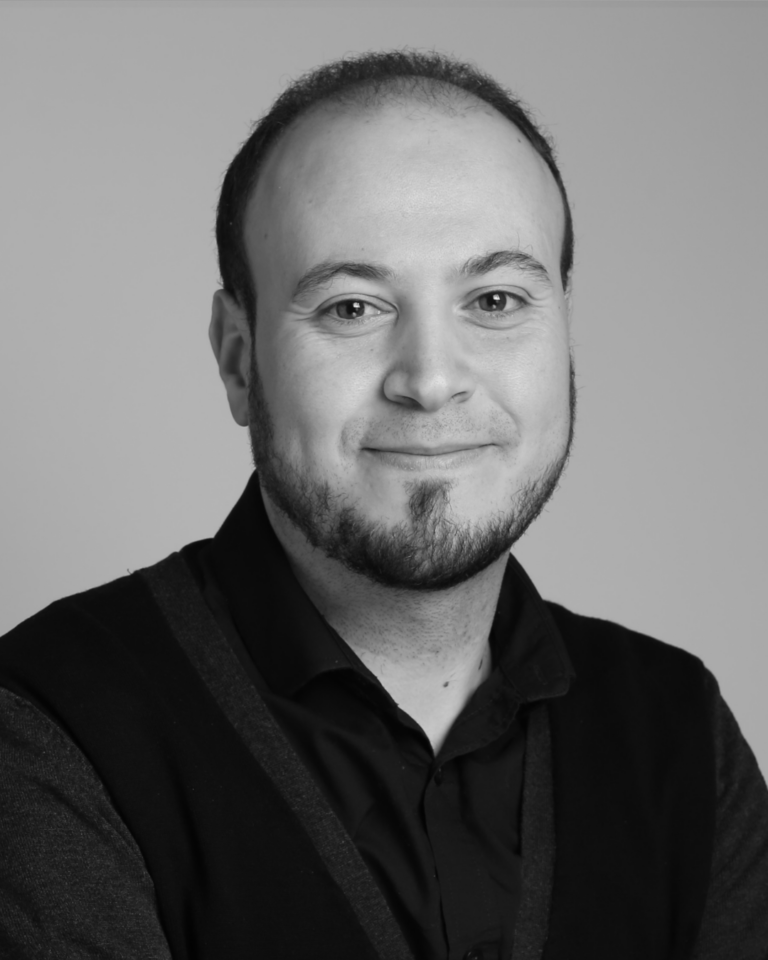
Abdelghani Maddi
Sorbonne Université, CNRS, Groupe d’Étude des Méthodes de l’Analyse Sociologique de la Sorbonne, GEMASS, Paris, France
My research lies at the intersection of scientometrics, the economics of knowledge, and sociology of science. I focus on the transformations of scientific publication practices, the impacts of open access on the dynamics of knowledge production and dissemination, and issues related to scientific integrity. I am also interested in the evolution of research evaluation mechanisms and the socio-economic transformations of the academic publishing market.
SESSION 4 [short talk presentation]
- Being Seen or Used? Open Access Models and Discoverability in Translating Science into Patents
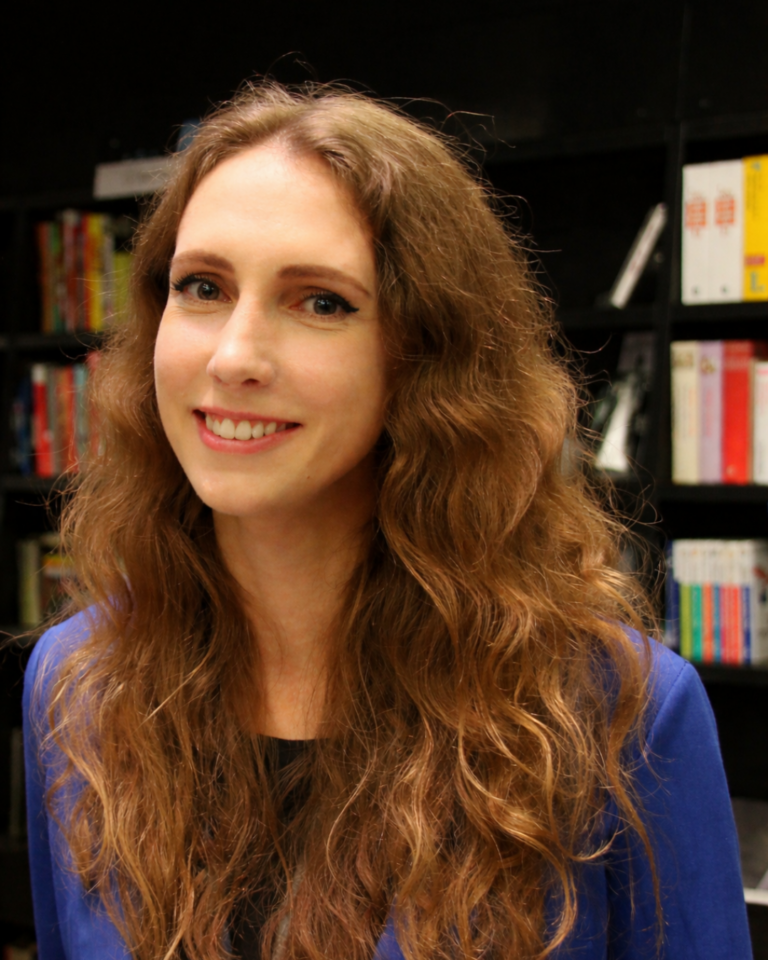
Agnieszka Szymik
Gdańsk University of Technology
Agnieszka Szymik is a senior librarian at the Gdańsk University of Technology Library, working in the Scholarly Communication and Open Science Section. She graduated from Jagiellonian University in Kraków with a major in Information and Library Science, specialising in Digital Resources and Electronic Publishing. She also holds a degrees in Polish Philology from Jagiellonian University and in Cultural Studies from the University of Gdańsk. Currently, she manages the Open Access Repository MOST Wiedzy (Bridge of Knowledge), where her responsibilities include verifying publication licenses and making full-text of publications available on the platform. She also contributes data to the database of copyright and open access selfarchiving policies of Polish scientific journals and conducts training on Open Science and Open Access publishing. She is the editor and webmaster of the Gdańsk Tech Library’s Open Science Competence Centre website.
SESSION []
- Open Research Data capacity building: lessons from Gdańsk
University of Technology
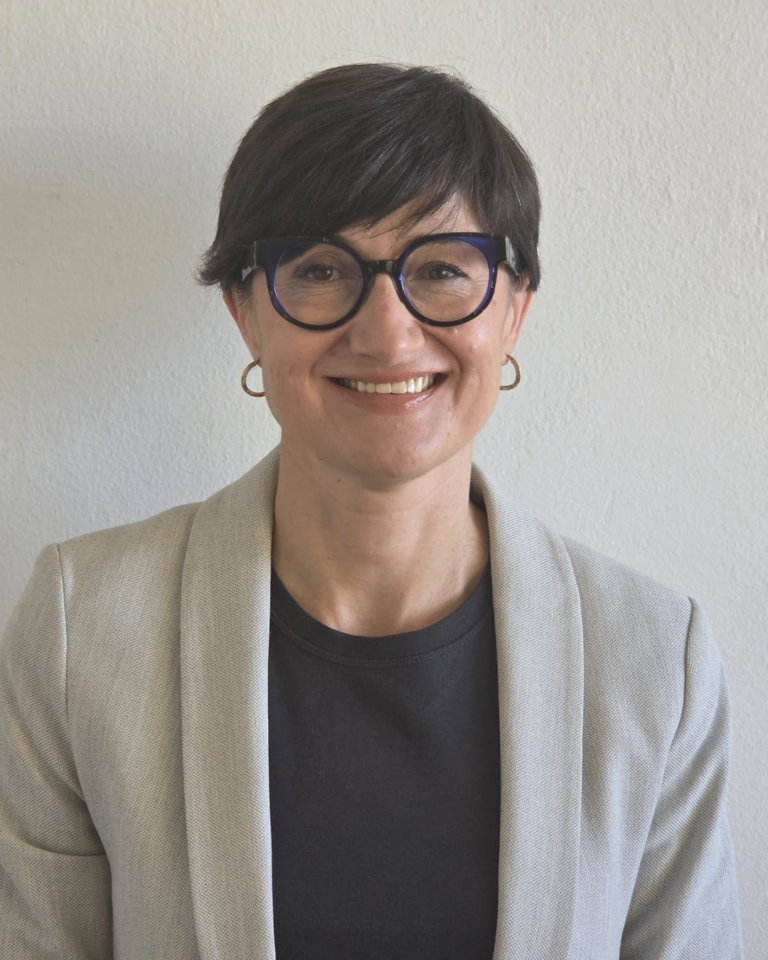
Ana Matijašević Renić
Split University Library
Ana Matijašević Renić is a librarian working in the central service for research and development at the University of Split. Her work focuses on research support services and scholarly communication, particularly in the areas of open science and electronic resources. She coordinates the institutional repositories for the University of Split’s departments and is actively involved in user education, including the design and delivery of information literacy training.
SESSION []
- Open access to master theses: Follow up of nine SEA-EU Alliance universities, 2019-2023
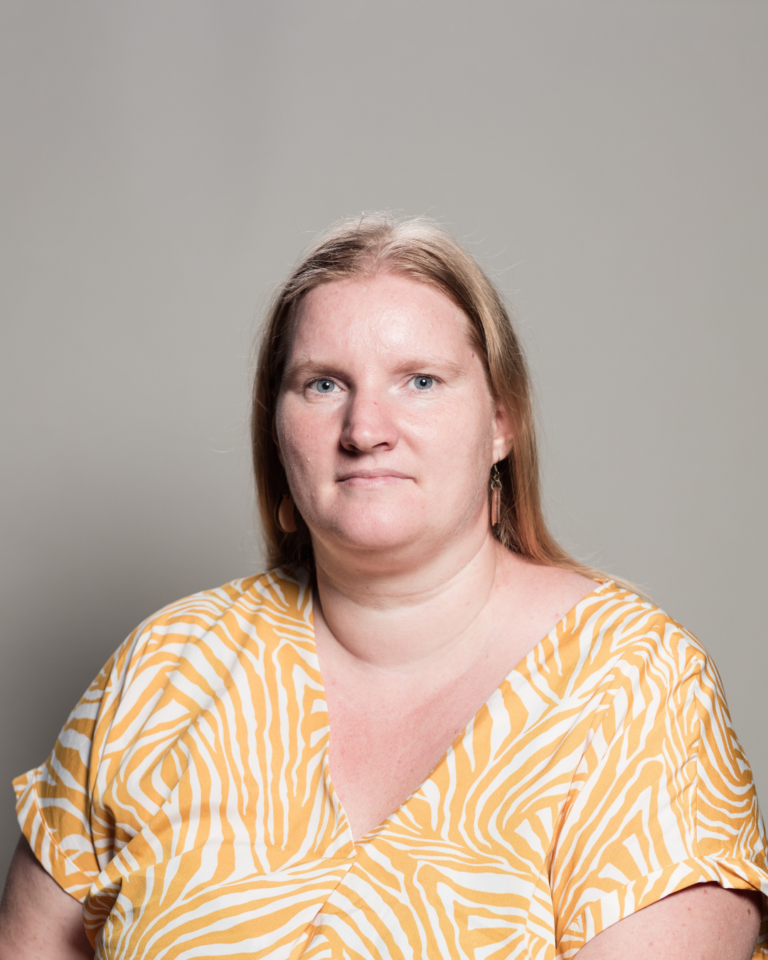
Ana Slavec
University of Ljubljana, Faculty of Social Sciences
Dr. Ana Slavec is an assistant professor at the Faculty of mathematics, natural sciences and information technology, research associate at the InnoRenew CoE department of the Andrej Marušič Institute, both at the University of Primorska, where she also leads the newly established department of Open Science at the University Library. She holds PhD in social science statistics from the Faculty of Social Sciences at the University of Ljubljana. She is an alumna of the RDA/CODATA Data Steward School and was the RDA ambassador for Engineering/Renewable Materials, a member of the ESOC FAIR data WG and coordinator of the Eurodoc Open Science WG. She is currently the president of the Slovenian Open Science Community.
SESSION []
- Building Open Science Capacity through European Collaboration: The Open4UA Approach to Research Reform in Ukraine

Amalie Ask
UiT The Arctic University of Norway
SESSION []
- The Diamond Program of UiT The Arctic University of Norway
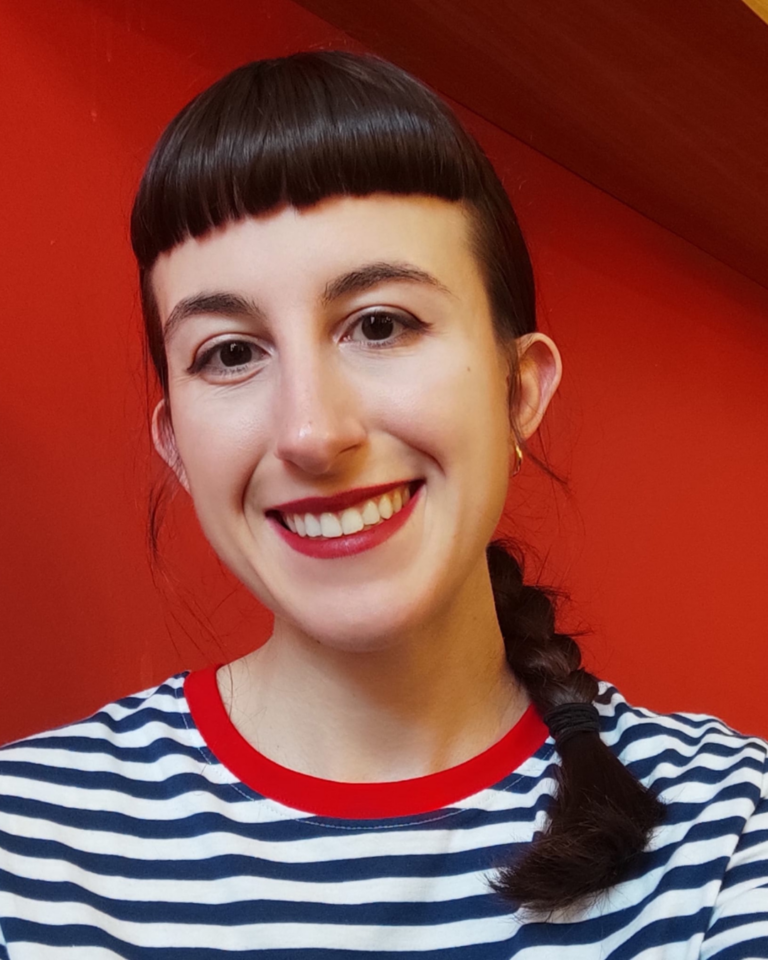
Chiara Di Giambattista
OpenCitations – Alma Mater Studiorum Università di Bologna
Chiara Di Giambattista has been working at the University of Bologna since 2021 as Communications Director and Community Development Manager for the open science infrastructure OpenCitations, and provides administrative support as an integral member of the Research Centre for Open Scholarly Metadata within the Department of Classical Philology and Italian Studies. She is an active member of the SCOSS Family Network, contributes to the working groups “Evidence of Benefits of Open Research Information” and “Sustaining infrastructures” within the Barcelona Declaration on Open Research Information, and serves on the Advisory Board of Rogue Scholar. In addition, she is part of the organizing committee of the biennial Workshop on Open Citations and Open Scholarly Metadata (WOOC).
SESSION []
- OpenCitations as a community-based open scholarly infrastructure and its recent steps towards sustainability
David Kane
South East Technological University
SESSION []
- Diamond Ireland: from landscape evidence to a community-governed national infrastructure within Europe’s Diamond Open Access network
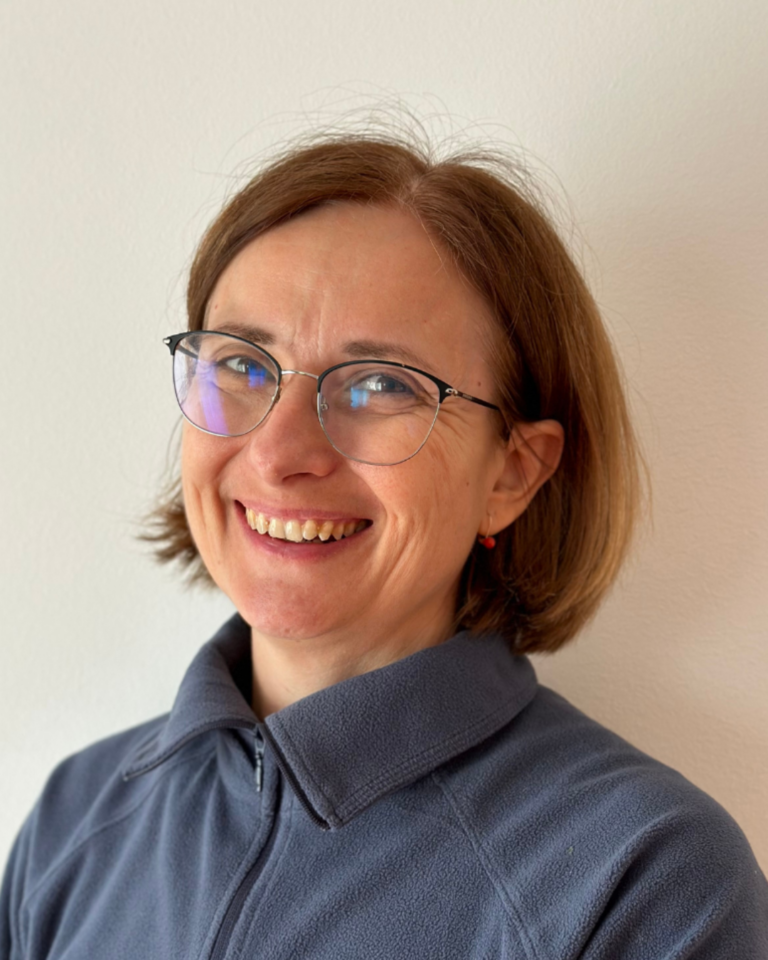
dejana carić
University of Zagreb University Computing Centre SRCE
SESSION [1]
- Building Skills for Open Science
Dijana Sever
University of Zagreb, Faculty of Science, Department of Physics
Dijana Sever holds a Master’s degree in Library and Information Science and is currently employed as a library assistant at the Central Library for Physics, Faculty of Science, University of Zagreb. Her work focuses on cataloguing, metadata processing, and managing institutional repository records, as well as working with Croatian Research Information System CRORIS and Croatian scientific bibliography CROSBI. She has contributed to the organization of the exhibition “Women in STEM” and is interested in open science and knowledge dissemination. She previously gained experience in marketing and public relations, developing strong communication skills. She actively contributes through library activities aimed at improving the visibility and accessibility of scientific information.
SESSION []
- CoreTrustSeal certification of the Repository of the Faculty of Science, University of Zagreb: The first certified institutional repository in Croatia

Drahomira Cupar
University of Zadar
SESSION []
- Croatian Centre for Diamond Open Access: From Community Practice to National Coordination
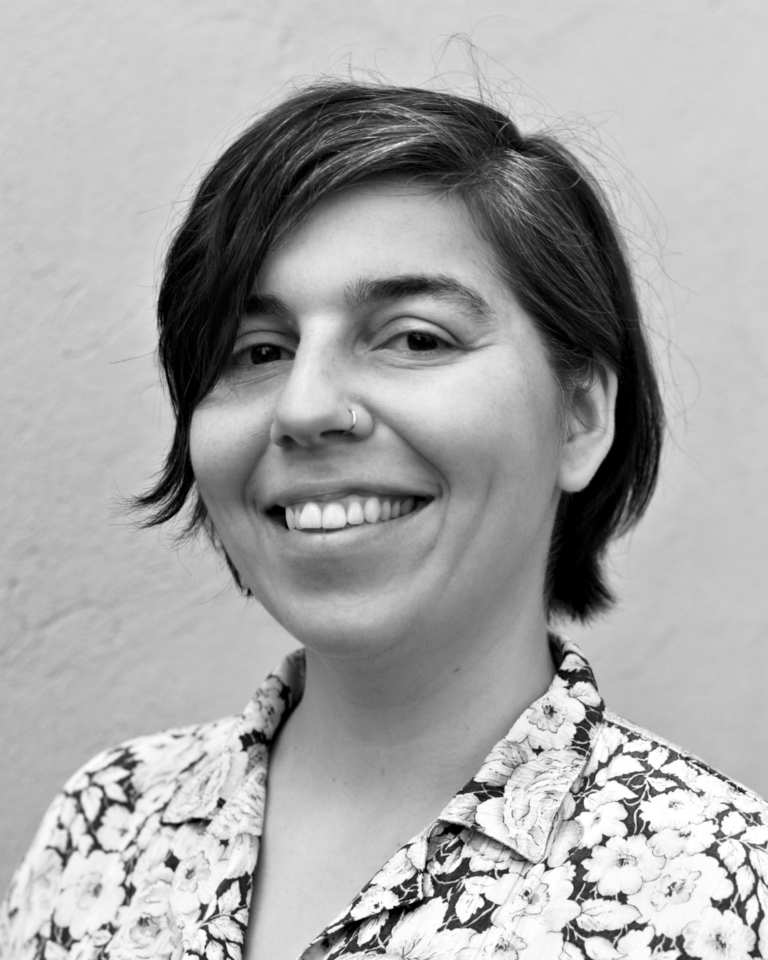
Elena Di Rosa
Verfassungsblog
Elena Di Rosa is responsible for Community and Library Outreach at the publishing project Verfassungsblog. She holds a Master’s degree in Library and Information Science from Humboldt University of Berlin (2008). Since then, she has been actively involved in advancing Open Access across various research institutions and universities.
Before expanding Diamond Open Access funding at Verfassungsblog, she established Germany’s first Fair Open Access fund at Technical University Berlin. She is an active
member of several working groups and coordinates a focus group on Open Access books.
SESSION [1]
- Delisted: Verfassungsblog and the Politics of Inclusion in Open Access Infrastructures
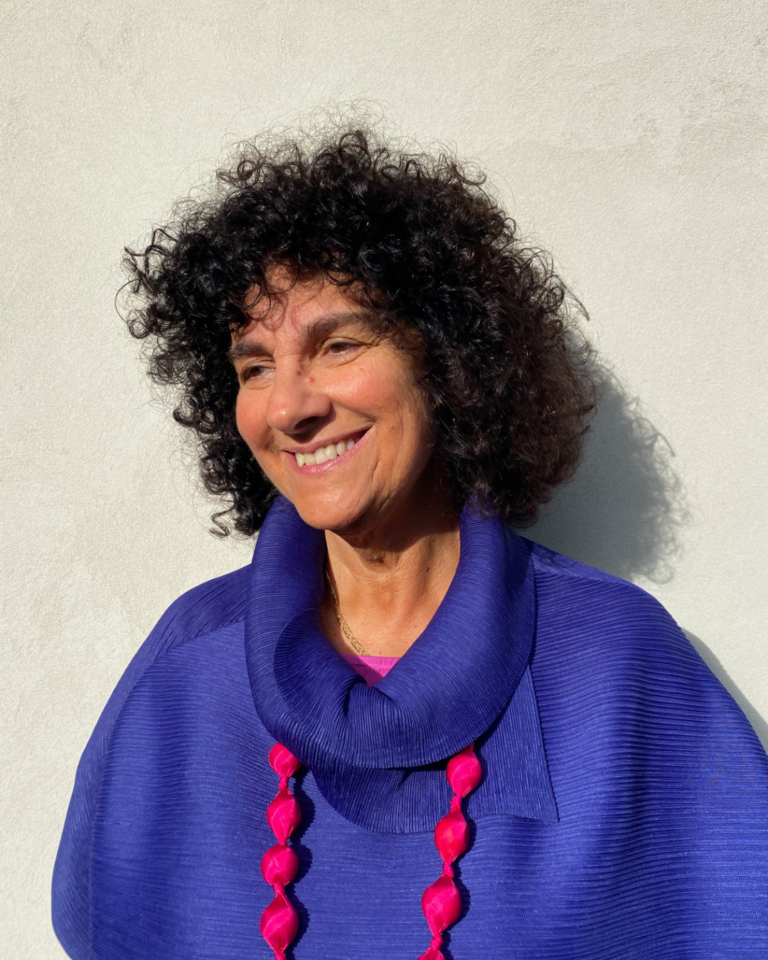
Elena Giglia
University of Turin
Elena Giglia, PhD, Masters’ Degree in Librarianship and Masters’ Degree in Public Institutions Management, is Head of the Open Science Unit at the University of Turin.
She has been part of the European Open Science network since many years, attending national and international conferences, and writing and lecturing on Open Science. She is invited as expert in several EU Workshops, and she serves in Scientific Committees and Advisory boards. She never stopped learning, attending training courses and workshops.
She was a member (2020) of the Committee at the Ministry for University and Research which drafted the National Plan Open Science.
She collaborates with ICDI – Italian Computer and Data Infrastructure Competence Center on Open Science, EOSC, FAIR data, organizing the Open Science café. She is the delegate of OPERAS, the Research Infrastructure for Open Science in the Social Sciences and the Humanities, in the EOSC Association.
SESSION [1]
- You are not alone: the role of community in Open Science practices adoption
Elena Sokolova
OPERAS
SESSION []
- After the architecture: Who governs the federation?
Elisabetta Geromel-Lister
Open University, United Kingdom
Dr Elisabetta Geromel-Lister holds a PhD in Translation Studies, funded by the Open University in the United Kingdom. Her thesis examined the role of translation in the dissemination of medical knowledge within England’s National Health Service. She has over 25 years’ experience in translation, working as a freelance and in-house translator, liaison interpreter, bilingual business mediator across various industries, and university lecturer. Her research interests include the visibility and critical role of translation in institutional and organisational settings.
SESSION []
- Multilingual scientific knowledge dissemination: is it a matter of language bias or language barriers? A translation scholar’s perspective
Fotis Mystakopoulos
University of West Attica
Fotis Mystakopoulos is a professional actively engaged in advancing Open Science. With a background in Library and Information Science, he has developed expertise in key areas of scholarly communication, including Responsible Research Assessment, Open Access, Open Science Training, and Research Data Management.
He currently serves as Open Scholarly Communication Officer at OPERAS, where he is involved in EU-funded projects, and is also a doctoral researcher, at the University of West Attica, whose thesis explores the shifting roles of academic libraries as infrastructures for Open Science across the European Research Area. His work focuses on advancing Open Science practices through the development of policies, training, and infrastructures that support more equitable and transparent research systems.
Beyond formal roles, he is active in community building, serving as a coordinator of the Open Science Community Athens, contributing to the International Network of Open Science and Scholarship Communities (INOSC), and participating in the FORRT (Framework for Open and Reproducible Research Training) Steering Committee. These engagements reflect his commitment to fostering initiatives that connect researchers and professionals around shared values and practices of openness.
SESSION [1]
- Academic Libraries as Open Science Communities in the European Research Area: Evidence from Scoping Review
Ganna Kharlamova
Taras Shevchenko National Univ of Kyiv
Dr. Ganna Kharlamova (Dr. Habil.) is a Full Professor in the Department of Economic Cybernetics at Taras Shevchenko National University of Kyiv, Ukraine. She served as the Director of the Coordination Center for the publication of scientific journals “Bulletin of Taras Shevchenko National University of Kyiv” (2024-2025) and is the Deputy Head of the Ukrainian Regional Chapter of the European Association of Science Editors (EASE) (2024), now is the member of EASE. She is a member of the SUPRR initiative. Currently, she is the Project Leader for the NRFU research project No. 26GF013-02, “Theoretical Foundations for Harmonising the Editorial Practices of Ukrainian Scientific Publications with International Standards for Ukraine’s Competitive Integration into the European Open Science Area” (contract No. 132.03/0192). Dr. Kharlamova focuses on economic modeling, Open Science practices, and academic publishing infrastructure, with over 300 publications, including 70+ in Scopus and Web of Science.
SESSION []
- When Citation Becomes Weaponized: Propaganda Triggers and the Crisis of Integrity in Scholarly Publishing
Irena Vipavc Brvar
University of Ljubljana, Faculty of Social Sciences
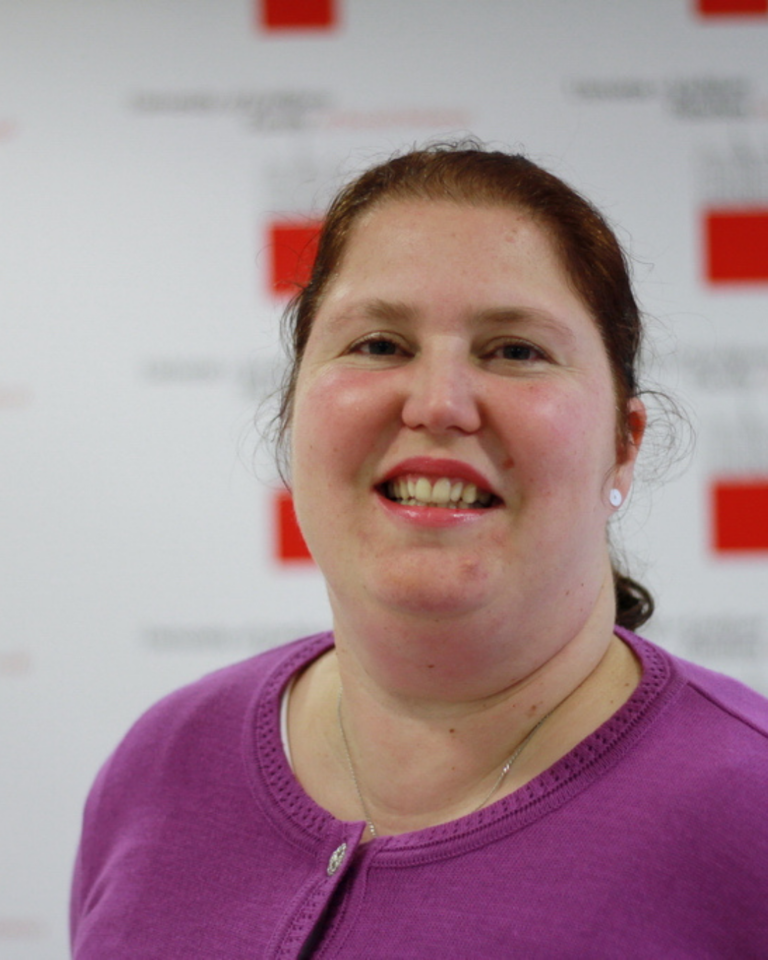
Irena Vipavc Brvar is a researcher and data expert at the Slovenian Social Science Data Archives. Her work focuses on research data management, open science practices, and the development of repository services supporting FAIR data and long-term data preservation. She is actively involved in international collaborations and capacity-building initiatives that promote data stewardship, reproducibility, and the responsible sharing of social science data. Her interests include strengthening the role of data infrastructures and expert support in advancing open science and research integrity across diverse research environments.
SESSION []
- Building Open Science Capacity through European Collaboration: The Open4UA Approach to Research Reform in Ukraine

Iva Galić
Primary School Mate Lovrak Kutina
Iva Galić is a school librarian at Primary school Mate Lovraka in Kutina. Her professional work is focused on the advancement of reading literacy and the development of information and digital literacy competencies among primary school students. Her research and professional interests include open education, open scholarly communication, and the application of participatory and inquiry-based learning approaches in educational practice. She is particularly engaged in projects that connect students with their local community through the exploration and preservation of cultural heritage.
SESSION [1]
- Exploring the Unknown Heritage of Moslavina: Students as Researchers and Contributors to Open Knowledge
Iva Kovačević Melinčević
University of Rijeka Faculty of tourism and hospitality management
SESSION []
- From Open Access to Open Science Ecosystems: A Bibliometric Analysis of Governance, Community, and Infrastructure Research in Scholarly Communication
Iva Melinščak ZLODI
University of Zagreb Faculty of Humanities and Social Sciences
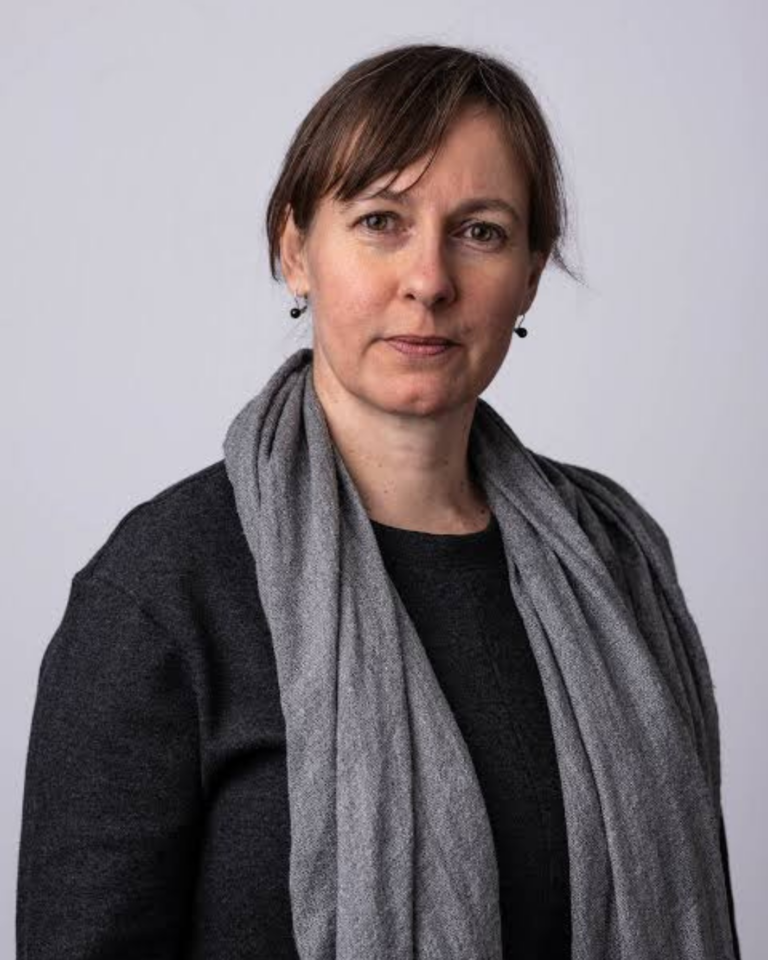
Iva is a scholarly communication and e-resources librarian at the University of Zagreb Faculty of Humanities and Social Sciences, responsible for institutional repository development, support in electronic publishing, providing electronic resources, information literacy education, and bibliometric monitoring of research output. Currently, she chairs the board of SPARC Europe.
SESSION [1]
- Embedding Open Access in Institutional Book Publishing Workflows: A Library-Led Diamond Model

Jenny Lam
The Chinese University of Hong Kong
Ms. Jenny Lam is the Open Science Librarian at the Chinese University of Hong Kong (CUHK) Library, where she leads initiatives to champion open science principles and practices. Driven by a passion for research transparency and accessibility, she actively integrates open science within the university community, fostering a culture of collaboration and knowledge sharing.
Her work encompasses developing and implementing open access initiatives, promoting research transparency, building partnerships with key stakeholders, and leading citizen science projects, all aimed at enhancing the visibility and impact of research.
SESSION []
- Collaborative Open Science in the Sinophone World: Open Books Hong Kong and the Open Journals Hub
Juliette Le Marquer
Université Lyon 1
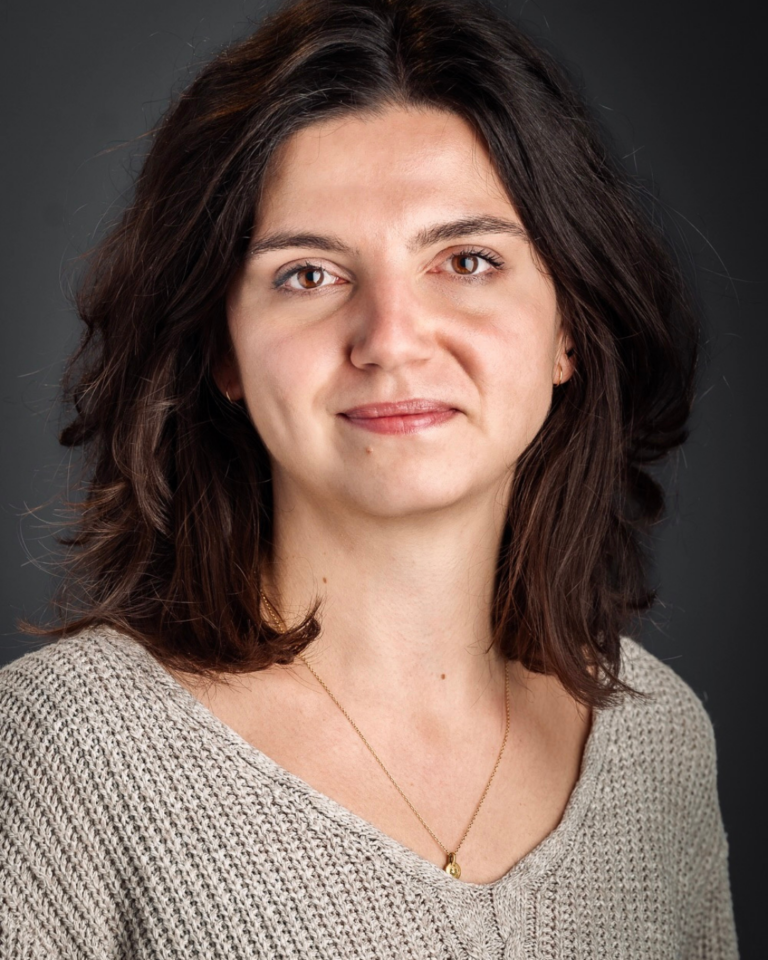
Juliette Le Marquer is a member of the Lyon Research Team in Information and Communication (ELICO 4147) at Université Lyon 1 (Department of Computer Science). She is currently involved the ANR project Open It as a postdoctorate and holds a PhD in Information and Communication Sciences. Her research focuses primarily on mediation practices and the role of communities in the dissemination of both scientific and general knowledge in the heritage preservation of memory.
SESSION [1]
- The Journal Flipping as a scientific community experience: convergence, disagreements and conflicts
Karla Avanço
OPERAS
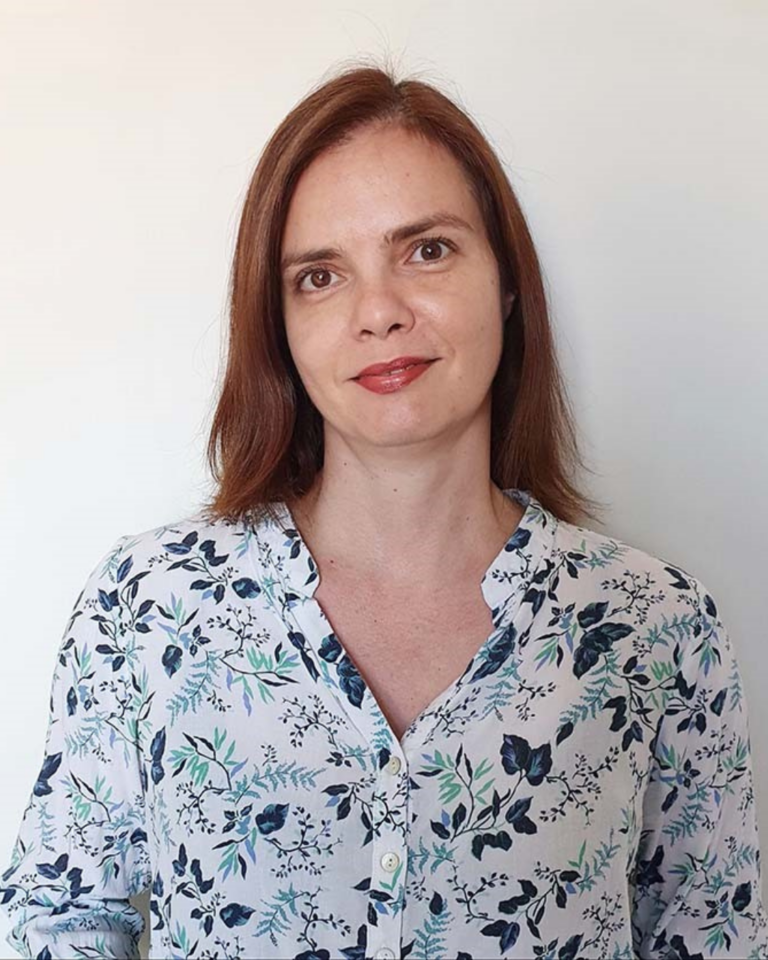
Karla Avanço is the capacity building manager of OPERAS. With a PhD in languages and linguistics and more than 10 years of experience in education and training, she reoriented to scholarly communication. Currently she works with the diffusion and adoption of Open Sciences and Open Access practices, especially through the management of the different Special Interest Groups within OPERAS community and the development of the diamond OA model. She has experience in linguistics, training, scientific translation, and academic publication. She is based at OpenEdition in Marseille, France.
SESSION [1]
- Training as a Strategic Lever for Open Science: A Flexible Framework for Sustainable Capacity Building
SESSION []
- From Fragmentation to Coordination: The European Diamond
Capacity Hub and the National Capacity Centres
SESSION []
- AEGIS-OA: Advancing Diamond Open Access Publishing in
Europe
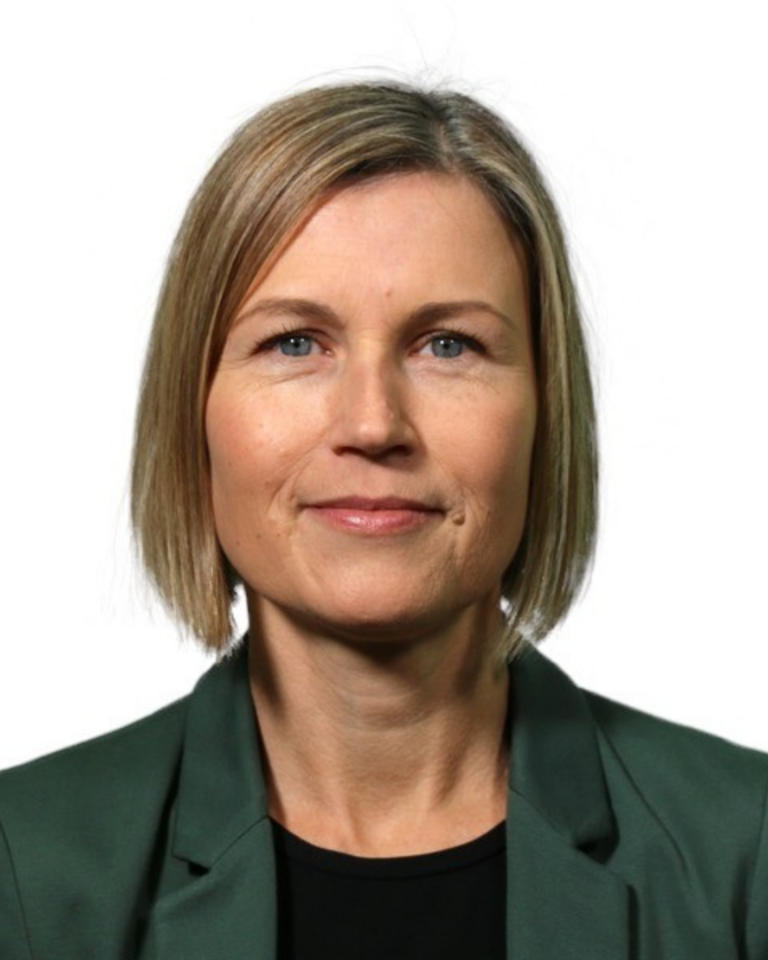
Lea Škorić
University of Zagreb School of Medicine, Central Medical Library
Lea Skoric, Ph.D. works as a head of Central Medical Library at the University of Zagreb School of Medicine. In addition to planning, organization and management of the Library, she is involved in research and teaching activities at UZSM. She publishes and reviews papers in scientific journals and participates in international and domestic conferences. She is a member of several expert committees and works on projects at national and international level. Her interests include scientific publishing, open access, open science, research assessment, biomedical information systems organization, information literacy and library management.
At PUBMET2026 she is presenting the aims and the activities of the Horizon Europe projects IP4OS – Unpacking the possibilities of Intellectual Properties for Open Science, and the Alliance for Life Sciences A4L_BRIDGE which aims to strengthen research and innovation performance and reduce disparities in R&I excellence within Europe.
SESSION [1]
- From competencies to communities: aligning Intellectual Property with Open Science in practice
SESSION [1]
- Building a Transnational Research Community in Central and Eastern European Life Sciences: The Contribution of the University of Zagreb School of Medicine to the Alliance4Life_BRIDGE Project
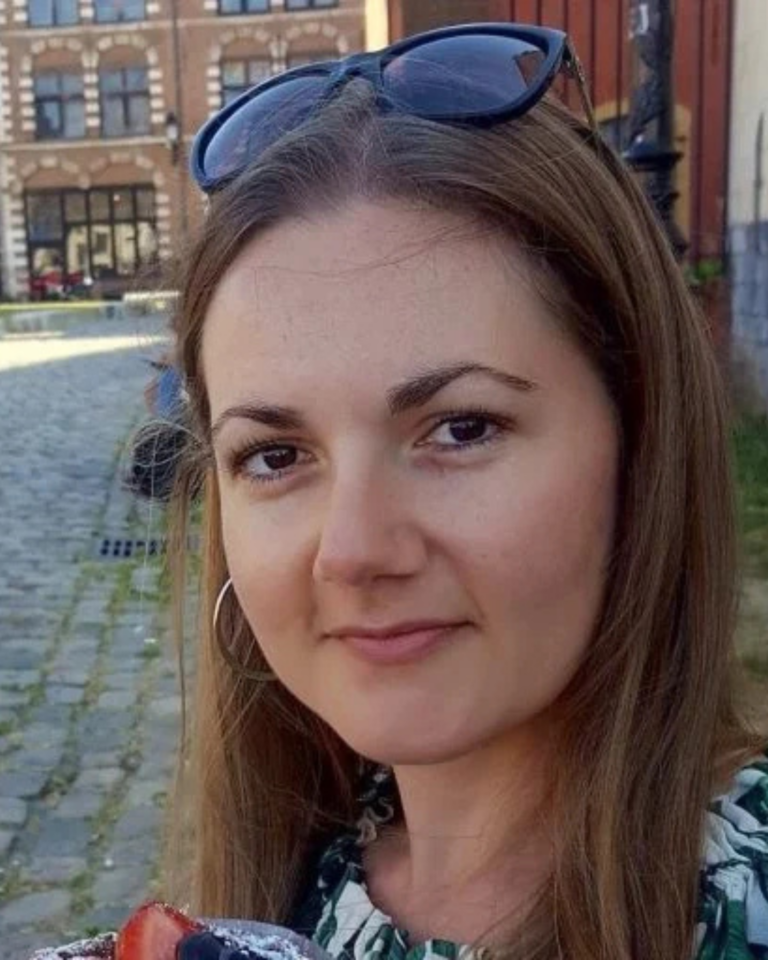
Ljiljana Jertec Musap
SRCE – University of Zagreb University Computing Centre
Ljiljana Jertec Musap is a project lead employed at the University of Zagreb University Computing Center – SRCE. She is engaged in tasks related to planning, specification, development, user support, and education for the national system of digital repositories DABAR and Portal of Croatian scientific and professional journals HRČAK. She is the national RDA Coordinator for Croatia and is actively involved in the EU funded CRAFT-OA project. Her responsibilities encompass data and digital asset storage, description, and long-term preservation, as well as involvement in open science initiatives and efforts to enhance scientific communication.
SESSION []
- Advancing Editorial Quality through Journal Certification: experiences of one national platform
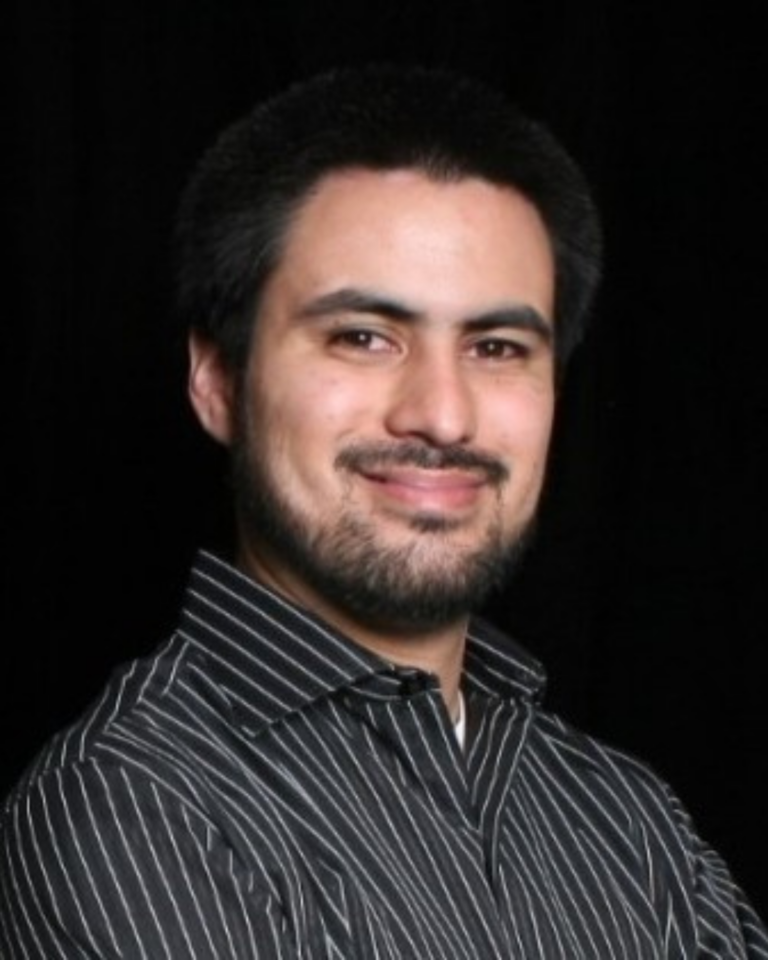
Luis Montilla
Crossref
Luis Montilla was a researcher-turned-publisher before joining Crossref as a Technical Community Manager in 2023. After completing his Ph.D. at the Stazione Zoologica Anton Dohrn, he transitioned to the metadata and infrastructure side of the academic world. As part of Crossref, he is busy educating the community about using the Crossref API, collaborating with API users, to help them make the most of our metadata. Additionally, he partners with API and metadata integrators, such to realise opportunities to make that metadata even richer and workflows even efficient.
SESSION []
- Connecting the scholarly record through community action: ways of leveraging Crossref’s open relationship metadata
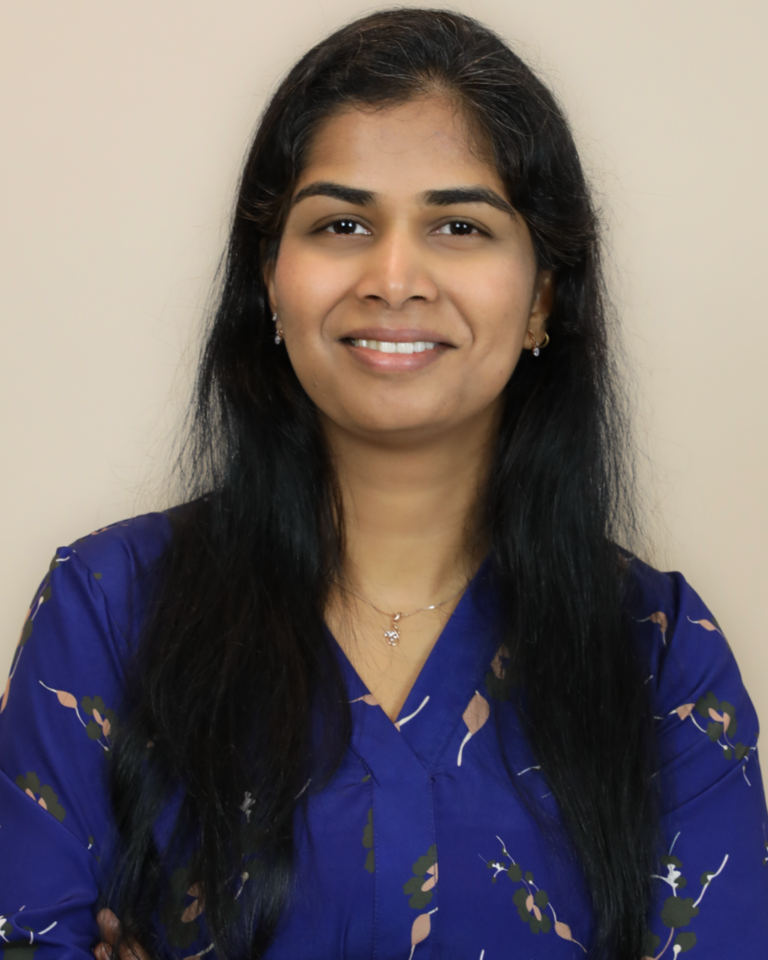
Madhura Amdekar
Crossref
Dr. Madhura Amdekar is a Community Engagement Manager at Crossref where her focus is on engaging with editors, publishers, and editorial organisations to help them leverage rich metadata for asserting the integrity of the scholarly record. Originally trained as a behavioural ecologist, she has been working in the scholarly publishing industry for the past 6 years. Madhura is a Board Member of the International Society of Managing and Technical Editors (ISMTE) and is based in the Netherlands.
SESSION [1]
- Opportunities for editorial community to leverage scholarly metadata for increased integrity and discoverability
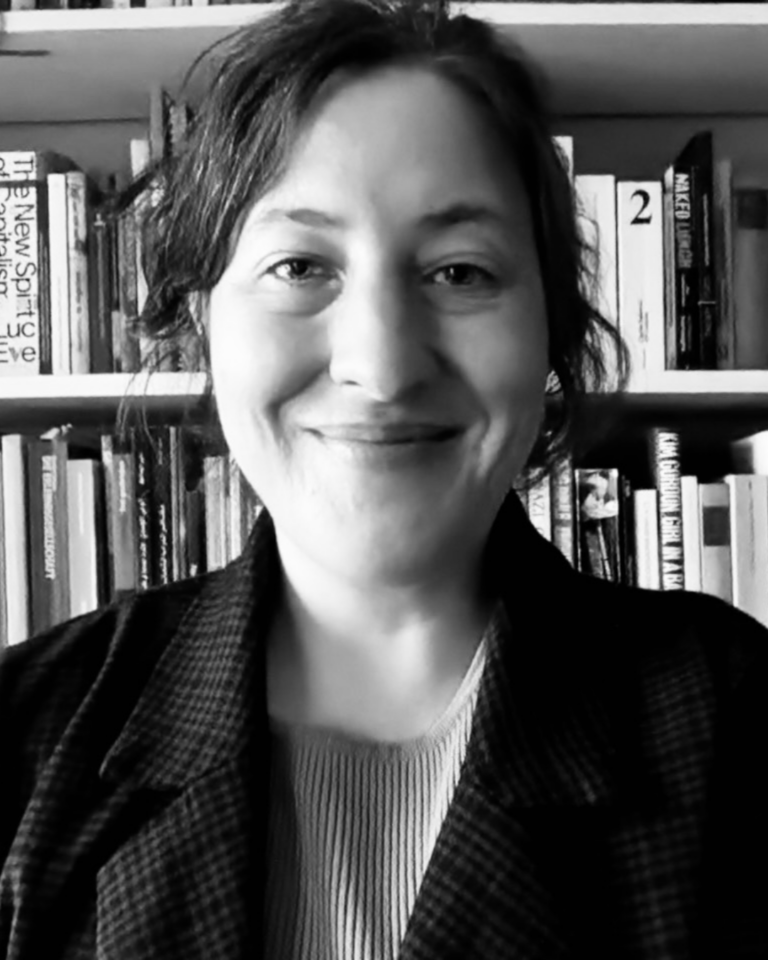
Maike Neufend
Open Research Office Berlin
Dr. Maike Neufend is a sociologist specializing in knowledge and culture. With degrees in sociology, Islamic studies, and philosophy from Hamburg and Damascus, she earned her PhD in sociology in 2021. Her research examines the social dimensions of knowledge, focusing on intellectual, aesthetic, and scientific practices. Since 2020, Maike has worked at the Open Research Office, Berlin’s state coordination office, and has led the office since 2025. She has conducted extensive research on open research policy making and is herself coordinating Berlin’s open research strategy. She is particularly interested in various practices of scholarly communication, including radical and decolonial approaches to open research. She is a colead of the BUA Open Science Magnifiers project.
SESSION []
- Navigating Openness: Exploring Perspectives from Social Sciences and Humanities

Maja Bogataj JanČIČ
Open Data and Intellectual Property Institute ODIPI
Dr. Maja Bogataj Jančič is the founder and head of the Open Data and Intellectual Property Institute, ODIPI. Maja is a copyright expert; her current work focuses on copyright and Open Science, open data, and data governance for AI. Maja is the National and Regional Coordinator for the Knowledge Rights 21 programme. In the past she has been ERA (European Research Area) Action 2 (impact of copyright and data regulation on research and innovation) lead for Slovenia, appointed by the Minister of Higher Education, Science and Innovation. Maja is an expert in the Data Governance Working Group of The Global Partnership on Artificial Intelligence (GPAI) that she previously cochaired from 2020 to 2023. Maja is a board member of Communia, and has been the legal lead of Creative
Commons Slovenia since 2004.
Maja graduated from the Faculty of Law in Ljubljana (1996) and obtained her LL.M. from the Faculty of Law in Ljubljana (1999, Economics), Harvard Law School (2000, Law) and Facoltà di Giurisprudenza di Torino (2005, Intellectual Property), and her Ph.D. from the Faculty of Law in Ljubljana (2006, Copyright).
SESSION [1]
- Mapping Open Science in the Central and South-Eastern Europe
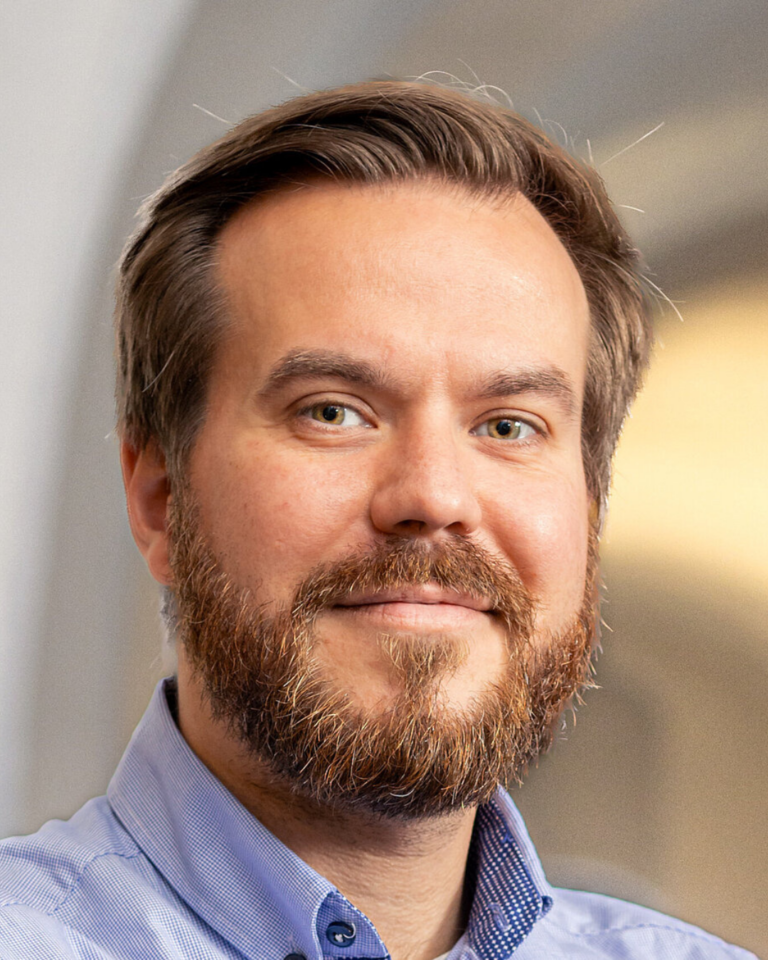
Martin Wiegand
Max Weber Stiftung / SeDOA
After completing his degree in History and German Language and Literature, Martin Wiegand started as an editor for scientific publications at Wallstein Verlag (Göttingen, Germany). He then held various positions at Herzog August Library (Wolfenbüttel, Germany) including head of project office, editor at a Diamond OA-Journal, and general OA-Officer, where he was part of the initial SeDOA project group. In 2026 he changed to Max Weber Stiftung (Bonn, Germany) as OA-Officer for SeDOA.
SESSION []
- In Between Communities – The Role of FIDs for the Service Center Diamond Open Access (SeDOA)
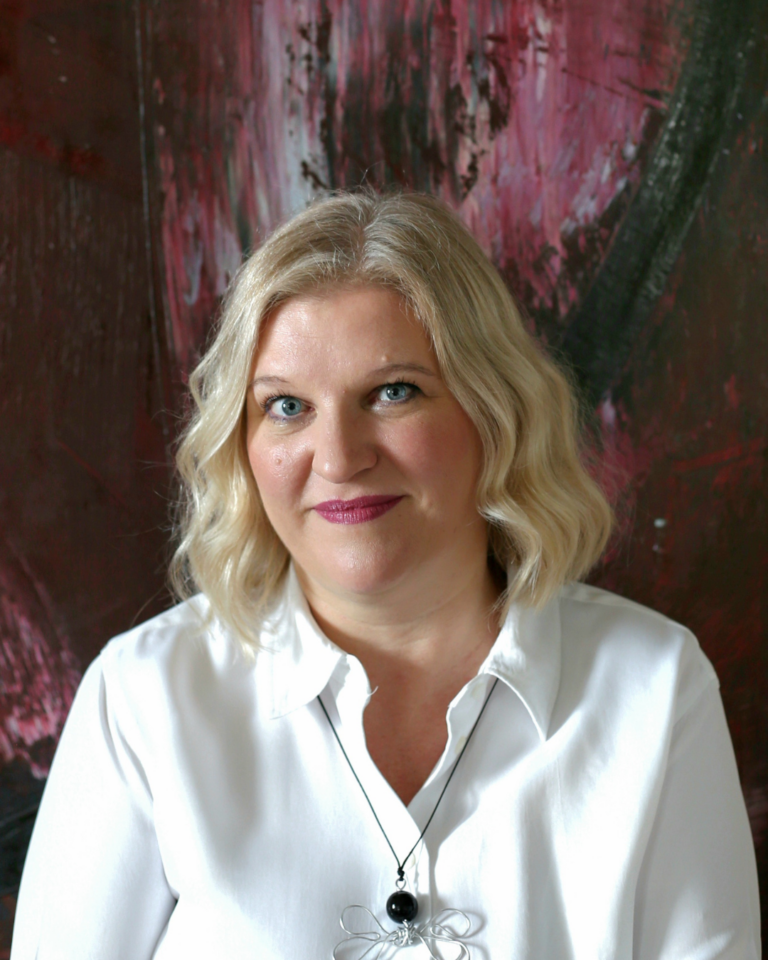
Nataša Jakominić Marot
University of Rijeka
Nataša Jakominić Marot is Head of the University of Rijeka (UNIRI) Centre for Research and Innovation and an experienced leader in research and innovation. She is an active member of EARMA, YERUN Policy Platform and two CoARA working groups, and has been at the forefront of the efforts to reform research assessment in Europe, also by strongly promoting the principles of Open Science. Over two decades in the sector, she has demonstrated expertise in EU project preparation, implementation, and supervision, managing and supervising a portfolio exceeding 100 mEUR. In the last 10 years, she has contributed to 7 Horizon Europe/Horizon 2020 projects in various roles. She is a trainer in project and research management, EU funding, and leadership. She is an expert in EU higher education and R&I policy and international peer reviewer and trainer in her fields of expertise.
SESSION [1]
- The OSCAR CoARA Boost Project: an Open Science Community Fostering the Reform of Research Assessment
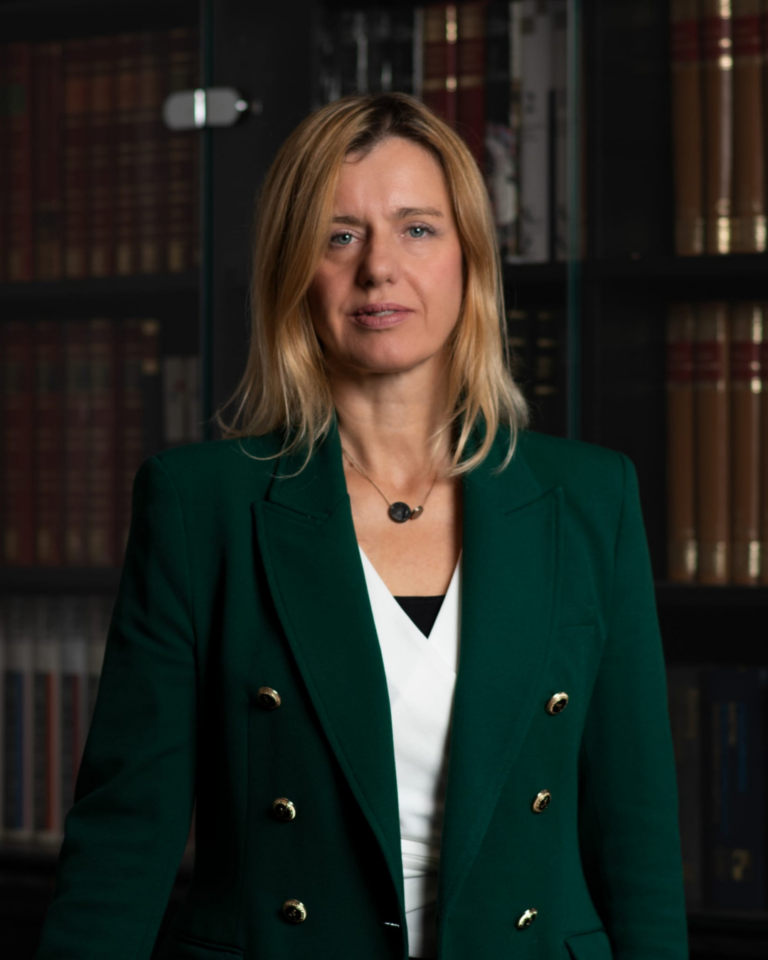
Nataša Jermen
Split University Library
Nataša Jermen is the assistant director for research and inter-institutional cooperation at the Miroslav Krleža Institute of Lexicography in Zagreb. She graduated in molecular biology and gained MSc in biomedicine at the Faculty of Science, University of Zagreb. She has a PhD in information and communication sciences from the Faculty of Humanities and Social Sciences, University of Zagreb. She also graduated in Swedish language and literature at the Faculty of Humanities and Social Sciences. Her research interests lie in the field of information sciences and cover scientometrics and its role in science policy, as well as lexicography and encyclopedistics in the digital humanities area. She has been a collaborator in several research and digital infrastructure projects. She is a member of the European Network for Research Evaluation in the Social Sciences and Humanities (ENRESSH), Croatian Association for Scholarly Communication (CROASC), European Association of Science Editors (EASE), and IUHPST/DHST Commission on Bibliography, Archives and Records (CBAR).
SESSION []
- An insight into the diamond open access encyclopedic collections of the Miroslav Krleža Institute of Lexicography
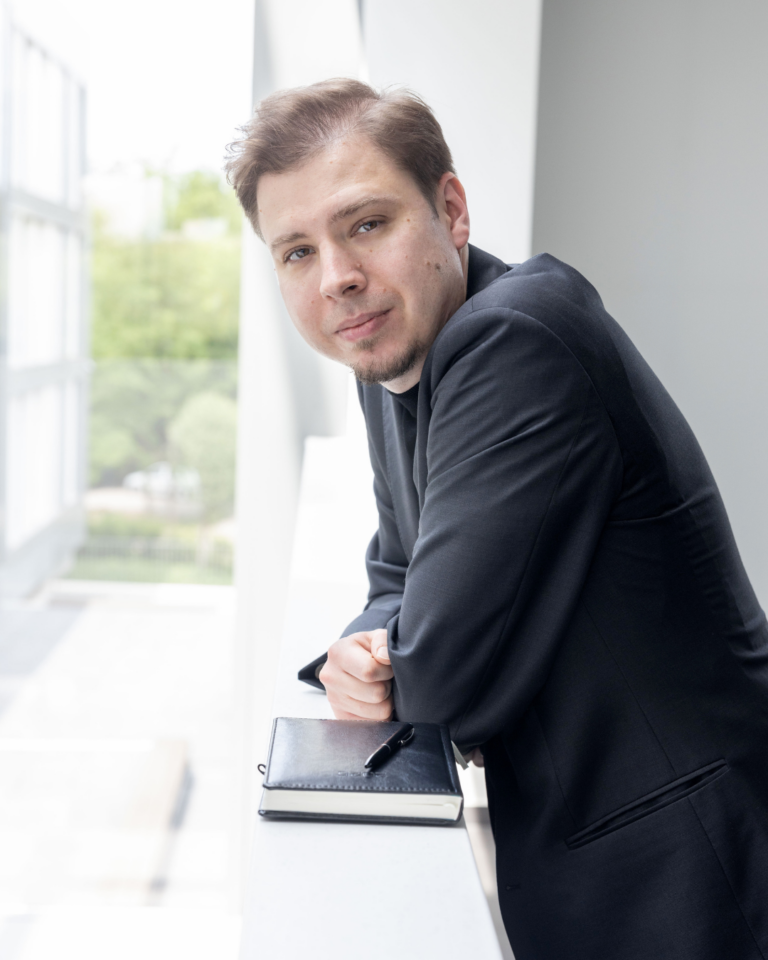
Paweł Marciniak
Poznan Supercomputing and Networking Center
Paweł Marciniak – doctor of Humanities in Literary Studies. Since 2021, he has been working at the Poznań Supercomputing and Networking Center in the Department of Digital Libraries and Knowledge Platforms. He participates in numerous research and technology projects, both as a programmer and project manager.
SESSION []
- Shared Infrastructure as Community Governance: A PaaS-based Approach to FAIR Data Exchange in LUMEN
Petra Šarić
Division of Cognitive Sciences; Department of Psychology, University of Rijeka, Croatia
Petra Šarić is a student in the Master’s programme Cognitive Sciences: Cognition and the Mind and a teaching assistant at the Department of Psychology, Faculty of Humanities and Social Sciences, University of Rijeka, Croatia. She holds Bachelor’s and Master’s degrees in Psychology from the University of Rijeka. Her research interests are focused on social cognition, philosophy of science, and metascience.
SESSION [1]
- Researchers for Diamond Open Access: Theory vs. Practice
radovan vrana
University of Zagreb Faculty of Humanities and Social Sciences
Born in Zagreb, Croatia. Primary and secondary education completed in Zagreb. Croatia. Graduated information sciences and the English language and literature at the Faculty of Social Science and Humanities. During the study, his interest were related to use of iinformation and communication technology in libraries. After graduation, employed at the Faculty of Social Science and Humanities in Zagreb where he works today. In 1999. he received masters degree in the field of social sciences with the topic in digital libraries. In 2003 he received Ph.D. at the Faculty of Social Science and Humanities in Zagreb. He is currently working at the Department for information and communication sciences at the Faculty of Social Science and Humanities in Zagreb, where he is currently holding a position of associate professor. His principal interests are: digital libraries, scientific communication, library management, and internet technologies in libraries.
SESSION [1]
- AI in Scientific Publishing: Support or Subversion?
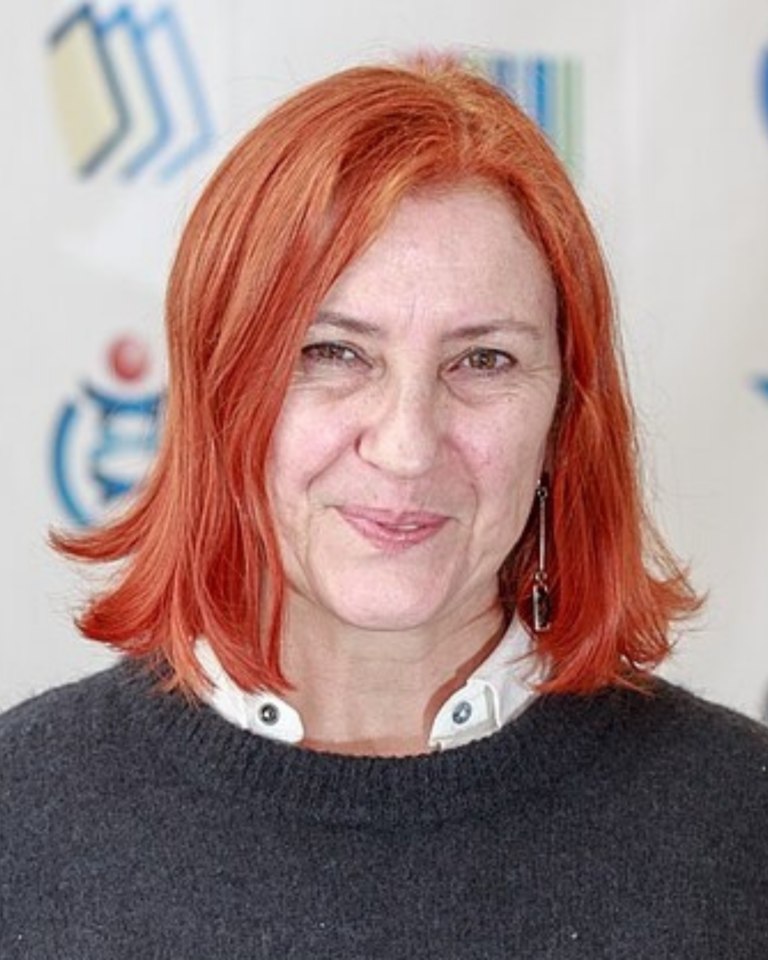
Remedios Melero
Institute of Agrochemistry and Food Technology of the CSIC
Remedios Melero holds a PhD in Chemistry from the University of Valencia, and works as researcher at the Institute of Agrochemistry and Food Technology of the CSIC (Spanish National Research Country). She is a member of the scientific committees of Redalyc and Scielo España. Associate editor of DOAJ and coordinator of the Commission on Intellectual Property of Amelica. Advisor of some committees linked to open science of the Spanish National Science Foundation (Fecyt), and she is part of the Spanish research group Open Science Spain . She has participated since 2005 in national and international projects related to open science.
SESSION [1]
- The brightness of Spanish diamond journals
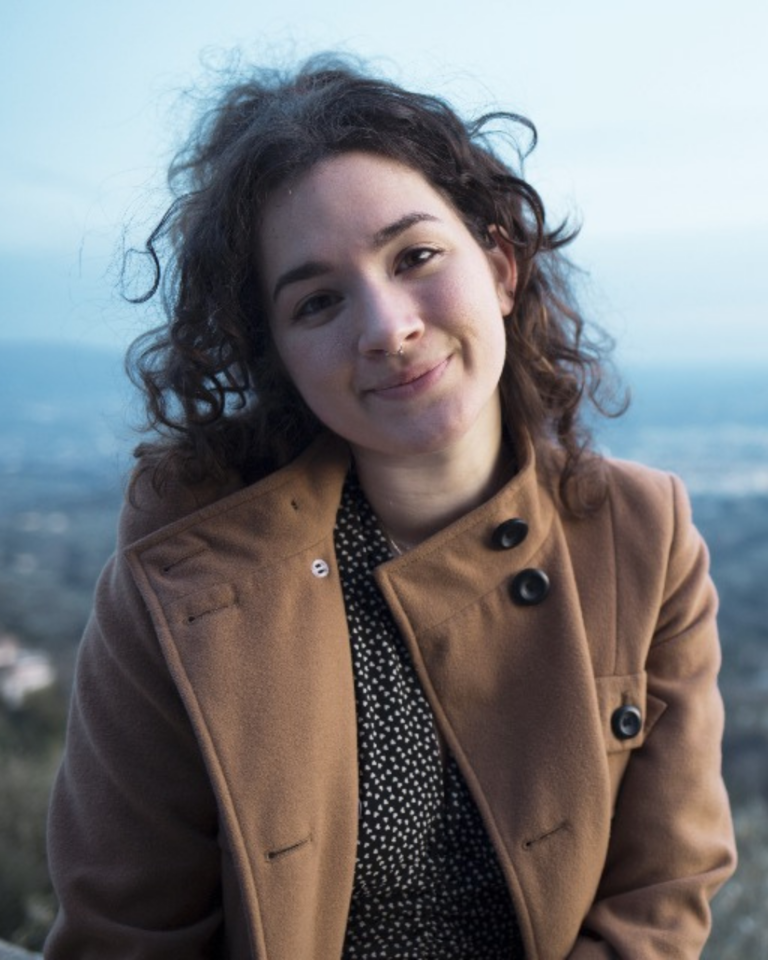
Roberta Bajčić
University of Rijeka, Division of Cognitive Sciences
Roberta Bajčić is a Master’s student in Cognitive Sciences at the University of Rijeka. She previously earned a Bachelor’s degree in Social Pedagogy at the University of Zagreb and expanded her academic experience through a student exchange at Charles University, where she focused on addictology, as well as an internship at the University of Liverpool, where she contributed to autism research using both experimental and qualitative methods. Her work builds on an interdisciplinary foundation spanning psychology, philosophy, sociology, pedagogy, and criminology, while her interests include neurodiversity, accessibility, behavioral problems, inclusive research practices, and Open Science. Alongside her studies, she has been an active member of several student organisations and has contributed to the organisation of academic and outreach events.
SESSION [1]
- When Openness Isn’t Enough: Case Study on Autism Framing in Croatian Scientific Discourse
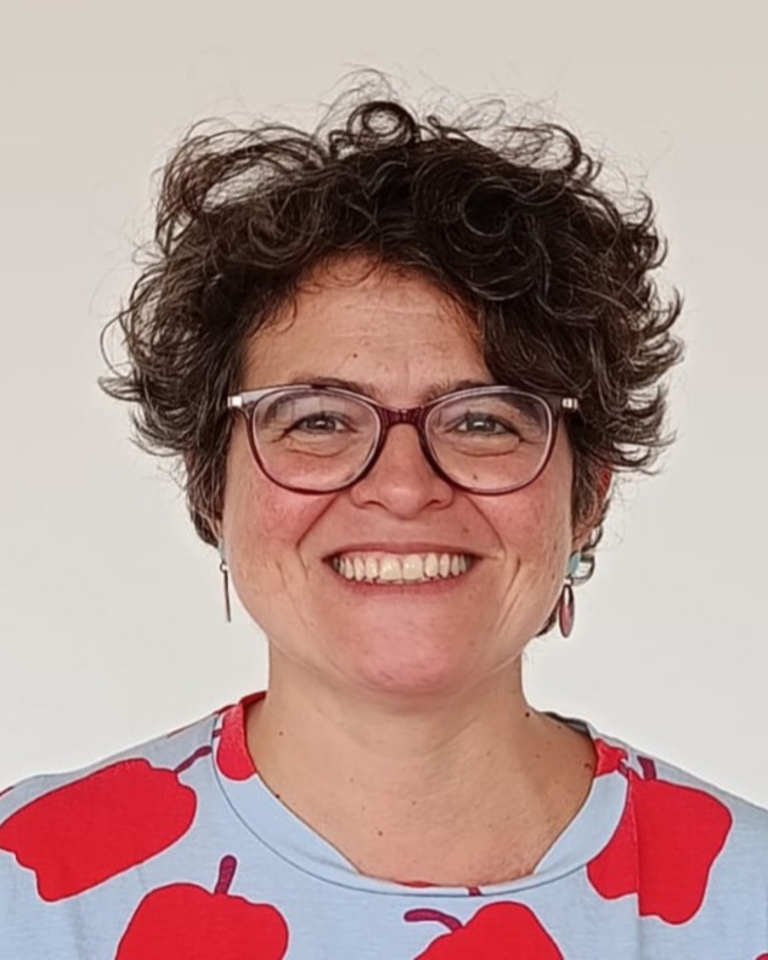
Rossella Filadoro
University of Milan
She has been working at the University of Milan since 2005, initially within the Libraries, and since 2019 in the Journals section of Milano University Press, the diamond open access publishing house of the university. She also deals with more general topics relating to Open Science and has been in charge of the Milano University Press Office since 2026.
SESSION [1]
- Milano University Press: A Long-Standing Commitment to Diamond Open Access from Its Origins

Sanja Jurković
National and University Library in Zagreb
Sanja Jurković is a librarian at the User Services Department of the National and University Library in Zagreb. Her main focus is on bibliometrics, research assessment and open research data, but she’s also included in providing educations and informational materials. Sanja has been a part of the citizen science movement through research on crowdsourcing since 2021 and has since been involved in several citizen science projects. Some of her interests include open science, volunteering, social media and podcasts, binge-watching reality TV and spending time with family and friends.
SESSION []
- Libraries as citizen science initiators and hubs: The case of National and University Library in Zagreb

sanja kosić
University of Rijeka Library
Sanja Kosić is a senior librarian at the University Library Rijeka, where she leads the Centre for Electronic Publishing. Her professional interests include library collection development and management, library management, preservation of library materials with a special focus on digitization, and publishing, with a particular interest in digital publishing. She is committed to continuous professional development and regularly participates in national and international conferences, as well as publishing professional and scientific papers.
SESSION []
- The Role of Centre for Electronic Publishing in the Academic Community of the University of Rijeka
Sergeja Masten
Univeristy of Ljubljana, Social Science Data Archives
SESSION []
- Building a Moodle Course: Introduction to Managing Research Data According to the Principles of Open Science
Szilvia Maróthy
L’Harmattan Open Access, Budapest
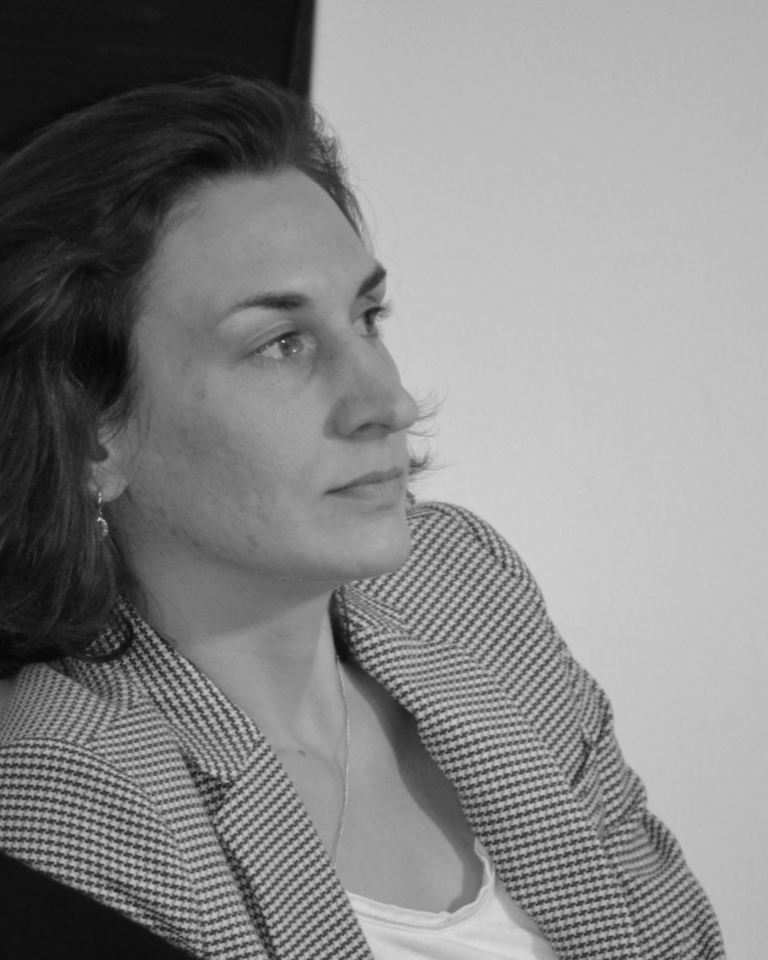
Professional coordinator and project manager at L’Harmattan Open Access (Budapest). She is coordinating the research and development project “openaccess.pub”, and managing the open access book publication workflows of L’Harmattan Open Access. This OA publication platform was established to serve a multilingual SSH research community, with a focus on the Central European region.
Szilvia holds a Ph.D. in Baroque literature from the University of Eötvös Loránd (ELTE). Her research and publications cover the fields of early modern literary history, digital humanities, scholarly communication and open science. She is the member of the Hungarian Research Data
Alliance (HRDA), and the E-Humanities Working Group of All European Academies (ALLEA), founder ad former managing editor (2017-2024) of the scholarly journal Digitális Bölcsészet / Digital Humanities.
SESSION []
- Thinking in Ecosystems for OA Book Publishing: Multilinguality, AI Assistance, and Collaboration
Terrin Manjila
University of Rijeka, Faculty of Humanities and Social Sciences
SESSION []
- Advancing Open Science in India Through a Student-Led Initiative

Zlatko Matijašević
Gymnasium Nova Gradiška
Zlatko Matijašević, mag. educ. math. et phys., is a mathematics and physics teacher at Gymnasium Nova Gradiška, where he has been employed since 2010. Since 2023, he has also held the title of assistant at the University of Slavonski Brod in the field of mechanical engineering. He graduated from the Faculty of Science, University of Zagreb, and is currently pursuing doctoral studies in physics education at the Faculty of Science, University of Split. His research interests include misconceptions in physics, creativity in physics and mathematics, and the use of artificial intelligence in the teaching of physics and mathematics.
SESSION []
- AI tools in student research practice: A longitudinal study on open digital tools and creativity development in secondary education
Zlatko Vidačković
Croatian National Theatre Zagreb
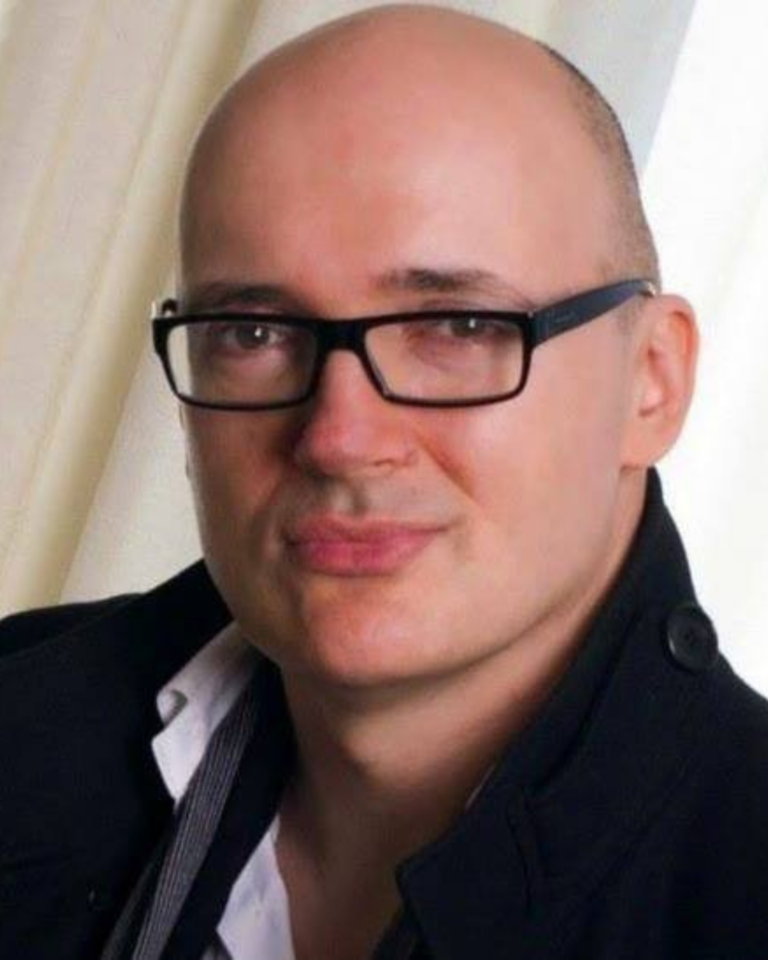
Born in 1972 in Šibenik. Holds an MA in Journalism (Faculty of Political Science, University of Zagreb) and a PhD in Information and Communication Sciences (Faculty of Humanities and Social Sciences, University of Zagreb). and currently works as editor of theatre publications and archivist at the Croatian National Theatre in Zagreb.
Since 1996, worked in non-governmental organisations (JEF, NSMH, KK, MET), as a journalist (Jutarnji list, Globus, Vijenac, Zagreb moj grad), film critic and festival reporter (Hej.hr, IQ, Vjesnik, T-portal, Net.hr, Slobodna Dalmacija, Forum), columnist and commentator (Vjesnik), editor of journals (Vijenac, Hrvatsko glumište), radio programmes (Igra snova, Croatian Catholic
Radio), and e-publications (Kulisa.eu, Filmovi.hr, Kulturauzagrebu.hr).
Currently an assistant professor, with teaching experience across 20 courses at the Academy of Dramatic Art, Catholic University of Croatia, VERN University, and University North, including guest lectures in South Korea and Spain. Worked as artistic director of the Metropolis cinema at the Museum of Contemporary Art in Zagreb, as well as of the European Film Festival and the Pula Film Festival. Served as member of international film critics’ juries at festivals in Cannes, Venice, Berlin, and San Francisco. Editor of 10 books and 2 conference proceedings, organiser of 2 scientific conferences, and author of 3 books and 25 scientific papers.
SESSION []
- Rethinking Access: Communication Challenges in Opening Theatre Archives
Zvonimir Prpić
University of Zagreb Faculty of Agriculture
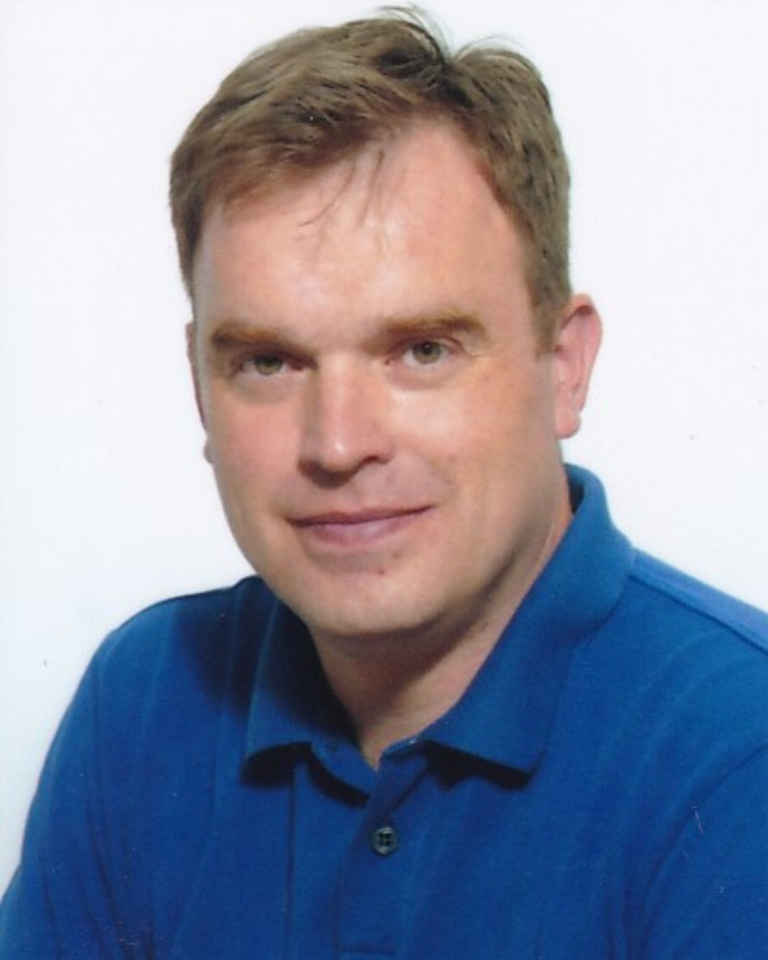
Zvonimir Prpić is a full professor at the University of Zagreb Faculty of Agriculture, Department of Animal Science and Technology. Professor Prpić’s scientific and professional interests are primarily focused on milk and meat production in sheep and goats, as well as the preservation of indigenous sheep and goat breeds. He has published more than eighty scientific papers, with approximately 50% indexed in Web of ScienceTM. He has been a guest lecturer at the Malta University of Arts, Science & Technology, and, as part of a scientific exchange, a guest researcher at Zhejiang University in China. He has collaborated on several national scientific and technological projects, as well as two international teaching projects (European Social Fund). He has served as a member of scientific committees and as an invited speaker at several international conferences.
Professor Prpić has been a scientific reviewer of a university textbook and a mentor for a doctoral dissertation. He is currently Editor-inChief of the international scientific journal Journal of Central European Agriculture, which was included in Web of ScienceTM during his tenure. He is also a member of the advisory panel of a scientific journal (MDPI, Q1) and a member of the editorial board of another scientific journal. Professor Prpić served as a guest editor for a special issue (MDPI, Q1). He is currently a member of the European Association of Science Editors (EASE) and chairman of the Publications Committee of the University of Zagreb Faculty of Agriculture.
SESSION [1]
- International Collaboration and Language Preservation: Case Study of an Agricultural Journal