keynote speaker
Is the door closing on open knowledge? Finding hope and opportunity in our shared principles
What does it mean to be “open” in a world that feels increasingly closed, where the trust involved in sharing seems increasingly risky, and the hopes we had for the value of shared content can appear increasingly naive?
The utopian hopes for a global commons can seem further away than ever. The principles that underpinned the ideals of open access, data sharing, Creative Commons, free and open source software are being undermined and exploited by massive companies. The closing of borders and increasing geopolitical tensions make it seem harder and harder to imagine knowledge production as an inclusive global endeavour. At the same time those hopes for greater understanding, improved knowledge and the capacity to tackle our shared problems seems more important than ever.
What can we learn from the history of successes (and failures) is opening up knowledge?
What principles may we have to adapt and which should we adhere to stronger than ever?
What does it mean to be open in today’s world?
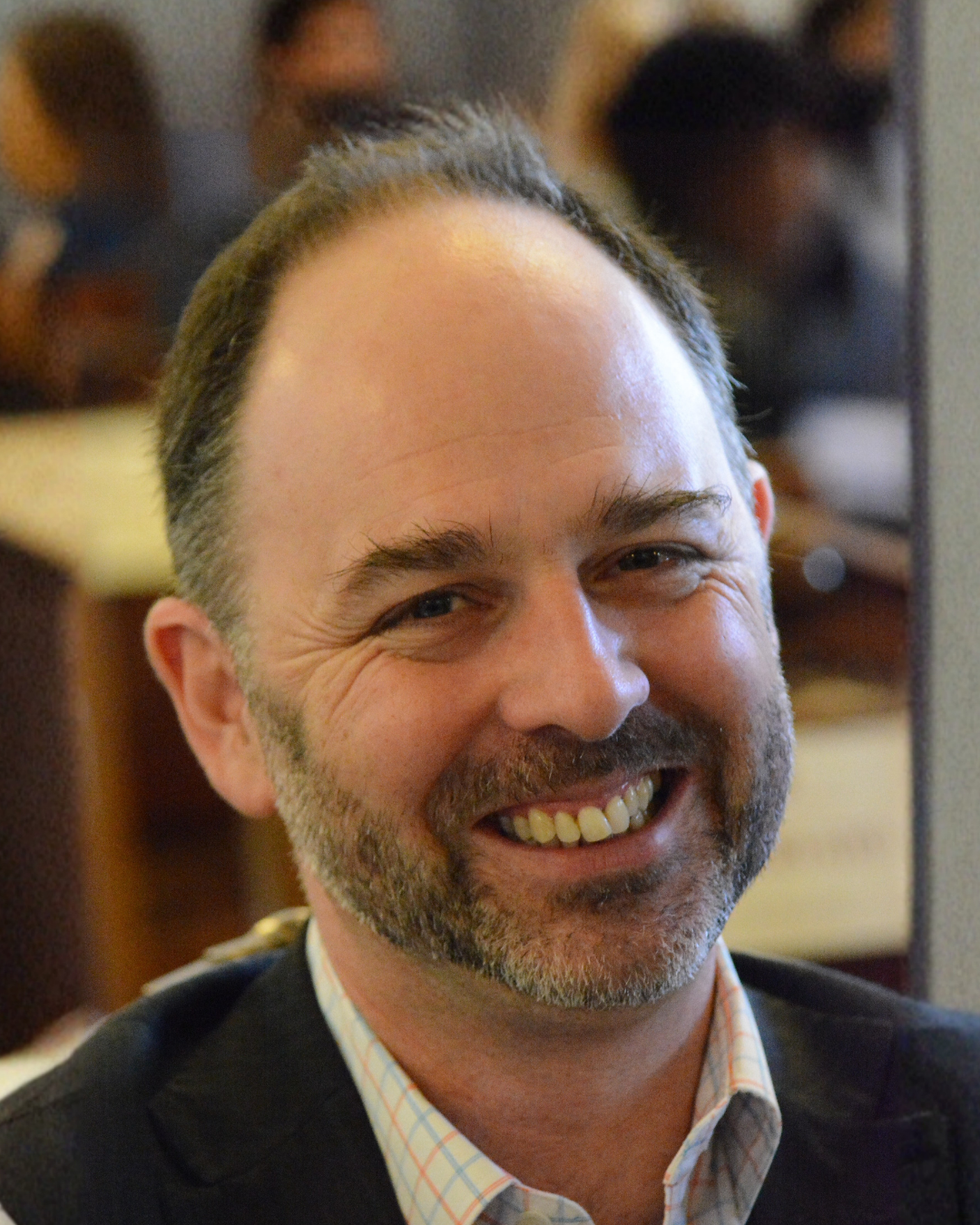
Cameron Neylon has been involved in advocacy for Open Access and Open Research for over 20 years. From 2015-2024 he was Professor of Research Communications at Curtin University where he co-founded and co-lead the Curtin Open Knowledge Initiative. He is a Steering Board member of CoARA, the Steering Group for the Barcelona Declaration and the advisory board of Open Citations. He was a co-author of the Principles for Open Scholarly Infrastructure, the altmetrics manifesto, the books
Open Knowledge Institutions, Reading Peer Review, Supporting Research Communications: a guide and Open Scholarship and the Need for Collective Action.
Wednesday, 9 September, 13:20 -15:00
SESSION 1
[keynote speaker]
Cameron Neylon
- Is the door closing on open knowledge? Finding hope and opportunity in our shared principles
[panel discussion]
- Challenges of journal peer review