short talk PRESENTATION
Building a Moodle Course: Introduction to Managing Research Data According to the Principles of Open Science
Sergeja Masten [Univeristy of Ljubljana, Social Science Data Archives, Ljubljana, Slovenia]
Ema Grilc [Univeristy of Ljubljana, Social Science Data Archives, Ljubljana, Slovenia]
Irena Vipavc Brvar [Univeristy of Ljubljana, Social Science Data Archives, Ljubljana, Slovenia]
The implementation of FAIR data principles in everyday research practice remains inconsistent and is often limited by a lack of knowledge, insufficient skills, and variable institutional support. Although Open Science and FAIR-related policies are increasingly common, their practical adoption still depends on effective and targeted training.
This contribution presents the development of a structured Moodle course Introduction to Managing Research Data According to the Principles of Open Science, designed for researchers, doctoral candidates, supervisors, and other interested stakeholders. The course was developed as part of the activities under the Slovenian Action Plan for Open Science by the University of Ljubljana in response to identified needs for practical support in data planning, documentation, sharing, long-term preservation and publishing of research data. It is intended for anyone seeking to improve the transparency and reproducibility of their work and to ensure the sustainable use of their research output.
The course is organised into thematic units structured around the research data lifecycle, covering key topics such as the basics of Open Science, definitions and types of research data, phases of the data lifecycle, preparation of Data Management Plans (DMPs), trusted repositories and persistent identifiers, metadata creation, data sharing, and licensing of research data.
While the course places particular emphasis on locally relevant content, such as national funder requirements (e.g. ARIS’s DMP template) and information on data stewardship support, it is designed for broader applicability. Originally developed for the Slovenian research community, it is also available in English to support non-Slovenian-speaking researchers and doctoral students who need to comply with national law on publication of research results. Both versions are aligned with Horizon Europe requirements, including FAIR-aligned Data Management Planning and references to the European Open Science Cloud (EOSC), ensuring relevance across the wider European research area.
Structured as a modular learning environment, the course guides participants through key steps of the research data lifecycle, supporting them in preparing reusable, well-documented data publications. It brings together essential practical information that researchers often struggle to find, such as where to publish data, how to navigate legal and policy requirements, and where to seek support, thereby providing clear pathways for applying knowledge in practice.
The course also includes practical, scenario-based activities, such as exercises, self-assessment tasks, and knowledge checks, which encourage participants to engage actively with the material and reflect on their own research workflows, while supporting flexible, needs-based learning.
The presentation will demonstrate how the gap between theory and practice can be addressed by offering concrete, actionable approaches to supporting researchers in their work. It will highlight key design decisions, challenges encountered during development, and lessons learned, while also reflecting on participant feedback and exploring how such courses can be adapted across institutional and disciplinary contexts. The goal is to enable researchers to move efficiently from data to reusable, well-documented data publications in a streamlined and practical way.
Open Science; FAIR data; Research Data Management; Training and education; E-learning; Moodle; Data literacy
friday, 11 September, 9:30 – 10:40
SESSION 6 Building Capacity and Communities for Open Science
[short talks]
- Building Open Science Capacity through European Collaboration: The Open4UA Approach to Research Reform in Ukraine (Irena Vipavc Brvar and Oleksandr Berezko)
- Building a Moodle Course: Introduction to Managing Research Data According to the Principles of Open Science (Sergeja Masten, Ema Grilc and Irena Vipavc Brvar)
- Training as a Strategic Lever for Open Science: A Flexible Framework for Sustainable Capacity Building (Karla Avanço)
- You are not alone: the role of community in Open Science practices adoption (Elena Giglia, Giulia Caldoni, Vittorio Iacovella, Mauro Paschetta, Valentina Pasquale, Ilaria Stura, Evdokia Tema and Luca Visentin)
- From competencies to communities: aligning Intellectual Property with Open Science in practice (Lea Škorić and Dina Vrkić)
[discussion]
[sponsor presentation] ACS Publishing
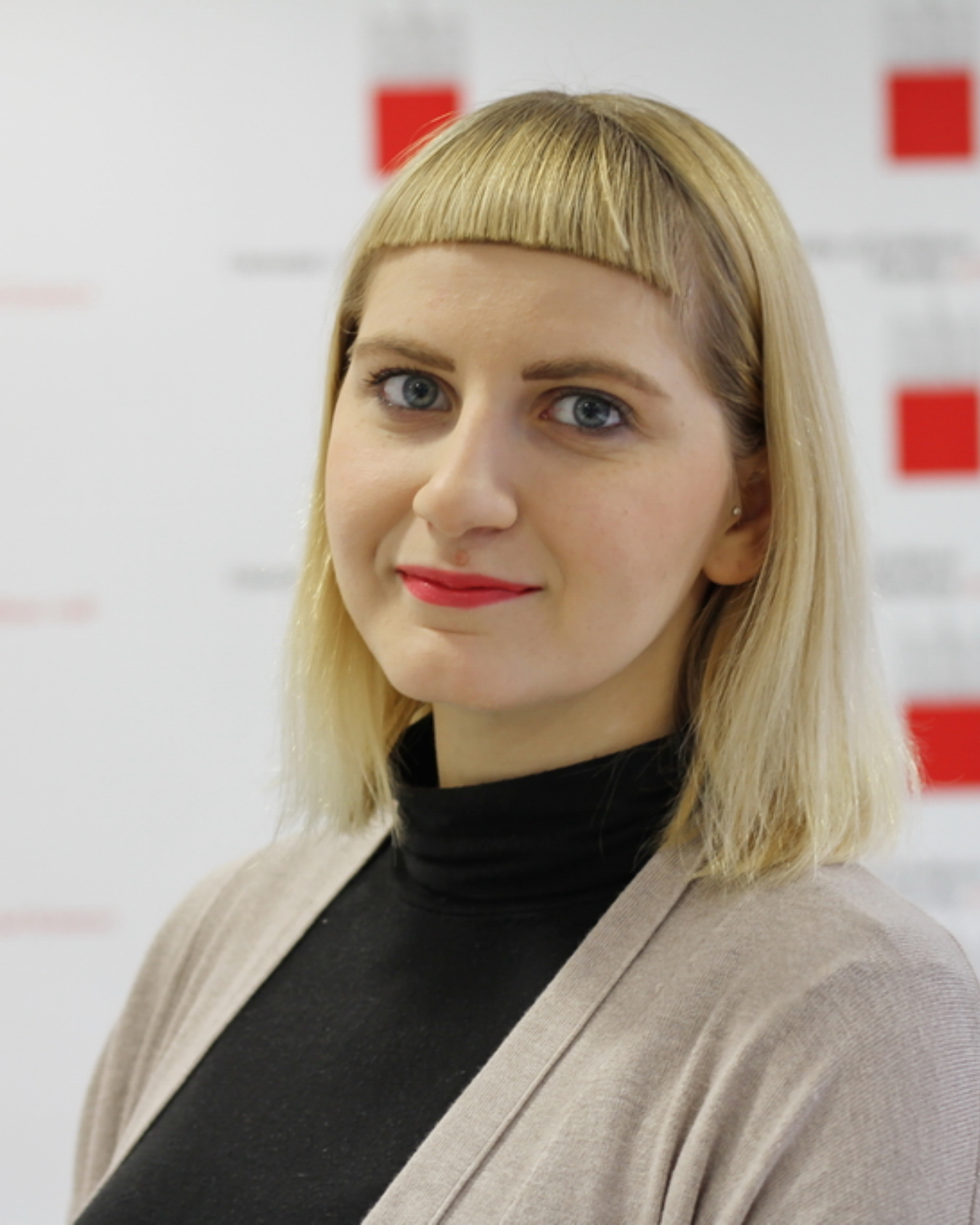
Sergeja Masten
Univeristy of Ljubljana, Social Science Data Archives » Ljubljana, Slovenia