short talk PRESENTATION
From competencies to communities: aligning Intellectual Property with Open Science in practice
Lea Škorić [University of Zagreb School of Medicine, Central Medical Library, Zagreb, Croatia]
Dina Vrkić [University of Zagreb School of Medicine, Central Medical Library, Zagreb, Croatia]
Despite strong policy support at the European level, aligning intellectual property (IP) management with Open Science (OS) in everyday research practice remains challenging. The main difficulty lies not in defining principles, but in applying them in concrete situations where different professional perspectives must be reconciled. Researchers, research managers, knowledge and technology transfer professionals, legal experts, data stewards, Open Science ambassadors, and librarians often operate within different frameworks, expectations, and risk assessments. This makes coordinated decision-making complex—especially when balancing openness with the protection and valorisation of research results.
This talk presents the approach developed within the IP4OS project, which addresses this challenge through a combination of multi-professional learning, open methodological tools, and a sustained Community of Practice (CoP). At the core of this approach is the Synergy Framework and an extensive Toolbox supporting all project activities. One of the key components is the Pilot Learning Lab, designed as a series of practice-oriented training sessions that provide an experimental environment in which multi-professional teams work on realistic, case-based challenges involving IP–OS tensions. These include questions of data sharing versus protection, licensing choices, timing of disclosure, and pathways to knowledge valorisation. Working with real-life examples from their own institutional contexts enables participants to test not only their knowledge, but also their capacity to negotiate, align perspectives, and reach context-sensitive decisions.
The learning process in the Lab is supported by the IP4OS Toolbox, a set of openly available and reusable tools designed to guide decision-making and discussion. The Synergy Framework helps map the relationship between IP and OS across the research lifecycle. The Knowledge Valorisation Rubric provides structured support for identifying and assessing possible impact pathways. The FAIR-R²L Rubric links FAIR data principles with different levels of readiness for reuse and valorisation, especially in AI settings. In addition, the Valorisation Consultancy Form provides a practical structure for interactions between researchers and support services. These tools are not presented as fixed solutions, but as adaptable instruments that can be integrated into institutional practices and further developed through use.
Long-term sustainability is addressed through the IP4OS Community of Practice, which connects participants beyond the Pilot Learning Lab and enables continuous exchange. The CoP supports the sharing of experiences, refinement of tools, and gradual alignment of practices across institutions, without relying on a formal governance structure. An important element in expanding the CoP is the Open Innovation Challenge, which invites teams to engage with broader, forward-looking problems related to IP and Open Science. In this format, participants are encouraged not only to solve predefined cases, but also to co-develop approaches and proposals that respond to emerging needs in their own contexts. This shifts the focus from training alone to collaborative exploration, problem-solving, and community building.
Drawing on insights from over twenty Pilot Learning Labs and the adoption of the Toolbox, the IP4OS project shows how multi-professional collaboration, when supported by shared tools and a sustained community framework, can enable more consistent and informed handling of IP–OS intersections. It argues that long-term impact depends less on producing new guidelines and more on embedding reusable instruments and peer-learning mechanisms that remain accessible and actionable beyond the lifespan of individual projects.
Intellectual Property; Open Science; Knowledge Valorisation; Multi-professional approach; Competency building; Community of Practice
Lea Skoric, Ph.D. works as a head of Central Medical Library at the University of Zagreb School of Medicine. In addition to planning, organization and management of the Library, she is involved in research and teaching activities at UZSM. She publishes and reviews papers in scientific journals and participates in international and domestic conferences. She is a member of several expert committees and works on projects at national and international level. Her interests include scientific publishing, open access, open science, research assessment, biomedical information systems organization, information literacy and library management.
At PUBMET2026 she is presenting the aims and the activities of the Horizon Europe projects IP4OS – Unpacking the possibilities of Intellectual Properties for Open Science, and the Alliance for Life Sciences A4L_BRIDGE which aims to strengthen research and innovation performance and reduce disparities in R&I excellence within Europe.
friday, 11 September, 9:30 – 10:40
SESSION 6 Building Capacity and Communities for Open Science
[short talks]
- Building Open Science Capacity through European Collaboration: The Open4UA Approach to Research Reform in Ukraine (Irena Vipavc Brvar and Oleksandr Berezko)
- Building a Moodle Course: Introduction to Managing Research Data According to the Principles of Open Science (Sergeja Masten, Ema Grilc and Irena Vipavc Brvar)
- Training as a Strategic Lever for Open Science: A Flexible Framework for Sustainable Capacity Building (Karla Avanço)
- You are not alone: the role of community in Open Science practices adoption (Elena Giglia, Giulia Caldoni, Vittorio Iacovella, Mauro Paschetta, Valentina Pasquale, Ilaria Stura, Evdokia Tema and Luca Visentin)
- From competencies to communities: aligning Intellectual Property with Open Science in practice (Lea Škorić and Dina Vrkić)
[discussion]
[sponsor presentation] ACS Publishing
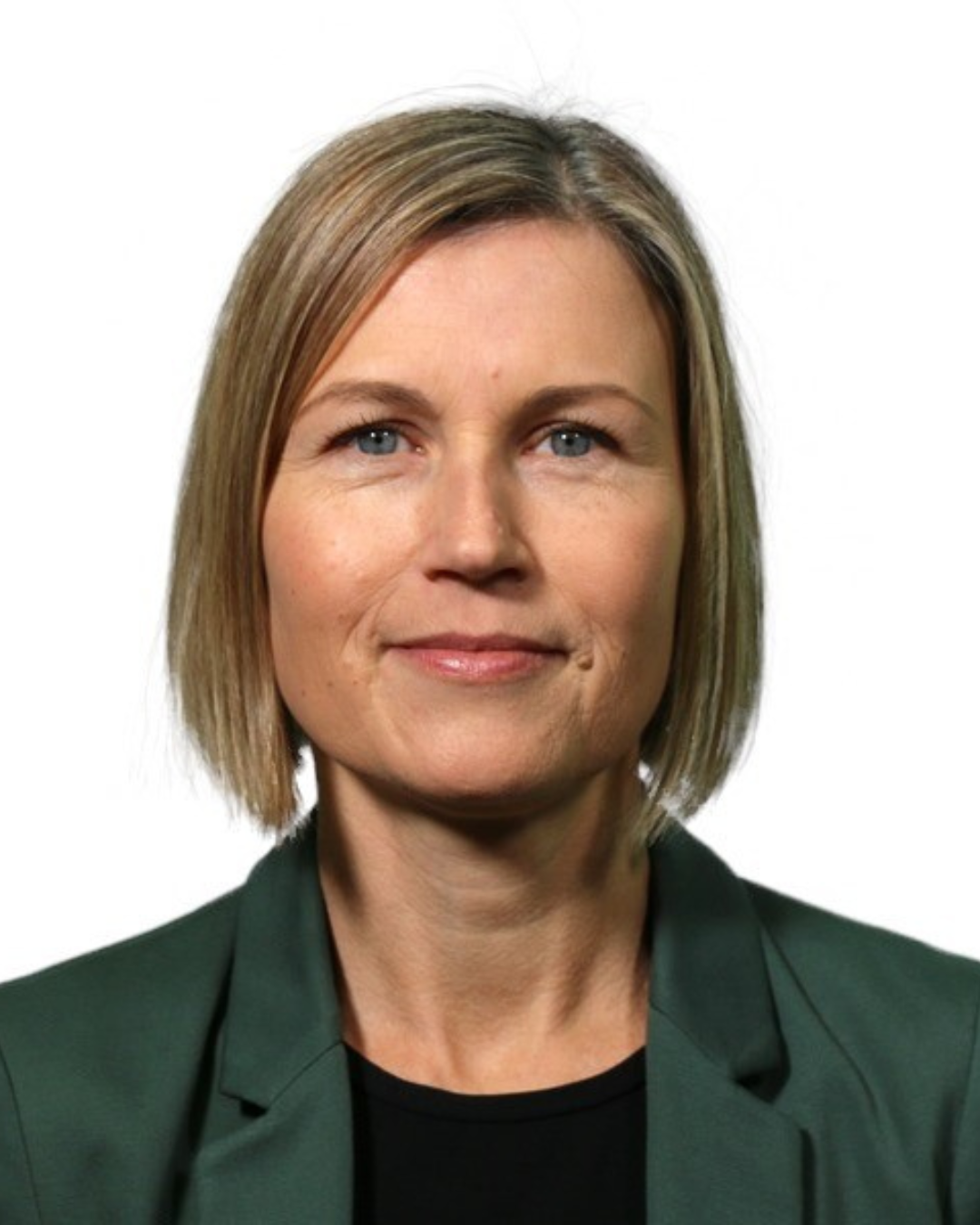
Lea Škorić
University of Zagreb School of Medicine, Central Medical Library » Zagreb, Croatia