poster PRESENTATION
Building a Transnational Research Community in Central and Eastern European Life Sciences: The Contribution of the University of Zagreb School of Medicine to the Alliance4Life_BRIDGE Project
Tea Vukušić Rukavina [University of Zagreb, School of Medicine, Andrija Štampar School of Public Health, Department of Medical Sociology and Health Economics Zagreb, Croatia]
Lea Škorić [University of Zagreb, School of Medicine, Central Medical Library, Zagreb, Croatia]
Filip Sedlić [University of Zagreb, School of Medicine, Department of Pathophysiology, Zagreb, Croatia]
Ana Borovečki [University of Zagreb, School of Medicine, Andrija Štampar School of Public Health, Department of Social Medicine and Organisation of Health Care, Zagreb, Croatia]
Srećko Gajović [University of Zagreb, School of Medicine, BIMIS – Biomedical Research Center Šalata, and Department of Histology and Embryology, Zagreb, Croatia]
Nada Čikeš [University of Zagreb, School of Medicine, Centre for Translational and Clinical Research, Zagreb, Croatia]
Božo Krušlin [University of Zagreb, School of Medicine, Department of Pathology; Ljudevit Jurak Clinical Department of Pathology and Cytology, Sestre milosrdnice University Hospital Centre, Zagreb, Croatia]
Monika Ulamec [University of Zagreb, School of Medicine, Department of Pathology; Ljudevit Jurak Clinical Department of Pathology and Cytology, Sestre milosrdnice University Hospital Centre, Zagreb, Croatia]
Željka Krsnik [University of Zagreb, School of Medicine Croatian Institute for Brain Research, Zagreb, Croatia]
Goran Šimić [University of Zagreb, School of Medicine, Croatian Institute for Brain Research, Department of Neuroscience, Zagreb, Croatia]
Ivan Padjen [University of Zagreb, School of Medicine, Department of Internal Medicine, Division of Clinical Immunology and Rheumatology, University Hospital Centre Zagreb, Zagreb, Croatia]
Dina Vrkić [University of Zagreb, School of Medicine, Central Medical Library, Zagreb, Croatia]
The persistent research and innovation gap between Western and Central and Eastern European (CEE) countries cannot be reduced solely through funding schemes or policy mandates. Sustainable change requires functioning communities of practice; networks of institutions, researchers, mentors, and societal actors that share infrastructures, knowledge, and standards in an open and responsible manner. Alliance4Life_BRIDGE (A4L_BRIDGE; Horizon Europe, Grant Agreement 101136453) brings together progressive life-science and medical research institutions from CEE countries with the aim of strengthening research excellence, institutional reform, and doctoral training (Alliance4Life, 2024; European Commission, 2024).
This contribution presents the role of the University of Zagreb School of Medicine (UZSM), the Croatian partner institution in A4L_BRIDGE, with a particular focus on scholarly communication, open infrastructures, and shared governance of doctoral education as activities that illustrate how shared infrastructures can reshape research culture and scholarly communication practices.
A central component is the development of two alliance-wide infrastructures coordinated by UZSM: the Database of Mentors and the Database of Thesis Committee Members. These openly searchable databases enable partner institutions to identify international experts for doctoral supervision and PhD thesis committees. Their purpose is not only administrative, but structural: reducing academic inbreeding, increasing transparency in doctoral evaluation, and enabling transnational peer review and mentorship across institutional and national borders, thus operationalising recommendations of the European Charter for Researchers (European Commission, 2005).
The second major element is the Virtual Research Centre (VRC), an online platform connecting researchers through thematic departments that organise online seminars, journal clubs, mini-conferences, and collaborative activities. UZSM researchers coordinate departments in cardiovascular research and membrane biochemistry (Sedlić, 2025a), while the platform also channels researchers towards Seed Fund and Open Call instruments intended to stimulate new collaborative projects and generate preliminary data for larger competitive proposals. The experience of the VRC demonstrates how a virtual community can convert dispersed expertise into joint research planning and shared publications.
Third focus area concerns capacity building in doctoral education and research integrity through workshops for doctoral programme directors and early-career mentors, organised in collaboration with ORPHEUS, complemented by an e-learning platform that hosts educational resources openly accessible across partner institutions (ORPHEUS et al., 2012). These and other collaborative activities underscore how European university alliances like UNIC or YUFE and thematic research alliances such as Alliance4Life are complementary communities of internationalisation (Sedlić, 2025b).
Three lessons emerge from these first years of implementation. First, durable Open Science communities in CEE depend less on isolated open-access mandates and more on shared, openly governed infrastructures such as mentor databases, virtual research environments, and common educational resources. Second, doctoral education represents a strategically important dimension of open scholarly communication because transnational mentorship and committee composition influence research quality, integrity, and institutional culture. Third, smaller national research communities benefit disproportionately from participation in transnational alliances that share governance, responsibility, and infrastructure. The UZSM experience within A4L_BRIDGE thus offers a transferable model of how a single institution can both contribute to and benefit from a community-driven approach to Open Science in life sciences.
Alliance4Life; Central and Eastern Europe; doctoral education; open science; power asymmetries; research community; shared infrastructures
Alliance4Life. (2024). Alliance4Life_BRIDGE: Bridging the research and innovation gap in life sciences. https://alliance4life.com/our-projects/alliance4life_bridge
European Commission. (2005). The European Charter for Researchers and the Code of Conduct for the Recruitment of Researchers. Office for Official Publications of the European Communities.
European Commission. (2024). Alliance4Life Bridging the Research and Innovation Gap in Life Sciences (A4L_BRIDGE) — Grant agreement ID 101136453 [CORDIS project fact sheet]. https://cordis.europa.eu/project/id/101136453
ORPHEUS, AMSE, & WFME. (2012). Standards for PhD education in biomedicine and health sciences in Europe. Aarhus University Press. https://orpheus-med.org/best-practices-recommendations/
Sedlić, F. (2025a, December). Alliance for Life_BRIDGE: Virtualni istraživački centar dobio nove odjele. mef.hr — službeno glasilo Medicinskog fakulteta Sveučilišta u Zagrebu. https://mef.unizg.hr/app/uploads/2025/12/MEF_2_2025-1.pdf
Sedlić, F. (2025b). Strengthening doctoral education through internationalization: Alliance4Life at the University of Zagreb panel [News article]. Alliance4Life. https://alliance4life.com/news-events/news/strengthening-doctoral-education-through-internationalization-alliance4life-at-the-university-of-zagreb-panel
Lea Skoric, Ph.D. works as a head of Central Medical Library at the University of Zagreb School of Medicine. In addition to planning, organization and management of the Library, she is involved in research and teaching activities at UZSM. She publishes and reviews papers in scientific journals and participates in international and domestic conferences. She is a member of several expert committees and works on projects at national and international level. Her interests include scientific publishing, open access, open science, research assessment, biomedical information systems organization, information literacy and library management.
At PUBMET2026 she is presenting the aims and the activities of the Horizon Europe projects IP4OS – Unpacking the possibilities of Intellectual Properties for Open Science, and the Alliance for Life Sciences A4L_BRIDGE which aims to strengthen research and innovation performance and reduce disparities in R&I excellence within Europe.
Thursday, 10 September, 15:25 – 17:10
SESSION 5 Building, governing and sustaining the infrastructures
[keynote speaker] → Laetitia Bracco
[short talks]
- After the architecture: Who governs the federation? (Elena Sokolova)
- OpenCitations as a community-based open scholarly infrastructure and its recent steps towards sustainability (Chiara Di Giambattista and Silvio Peroni)
[discussion]
[poster session]
- Open Research Data capacity building: lessons from Gdańsk University of Technology (Agnieszka Szymik)
- CoreTrustSeal certification of the Repository of the Faculty of Science, University of Zagreb: The first certified institutional repository in Croatia (Gordana Stubičan Ladešić and Dijana Sever)
- Building Skills for Open Science (Dejana Carić, Iva Vidović and Draženko Celjak)
- Building a Transnational Research Community in Central and Eastern European Life Sciences: The Contribution of the University of Zagreb School of Medicine to the Alliance4Life_BRIDGE Project (Tea Vukušić Rukavina, Lea Škorić, Filip Sedlić, Ana Borovečki, Srećko Gajović, Nada Čikeš, Božo Krušlin, Monika Ulamec, Željka Krsnik, Goran Šimić and Ivan Padjen)
- From Open Access to Open Science Ecosystems: A Bibliometric Analysis of Governance, Community, and Infrastructure Research in Scholarly Communication (Iva Kovačević Melinčević)
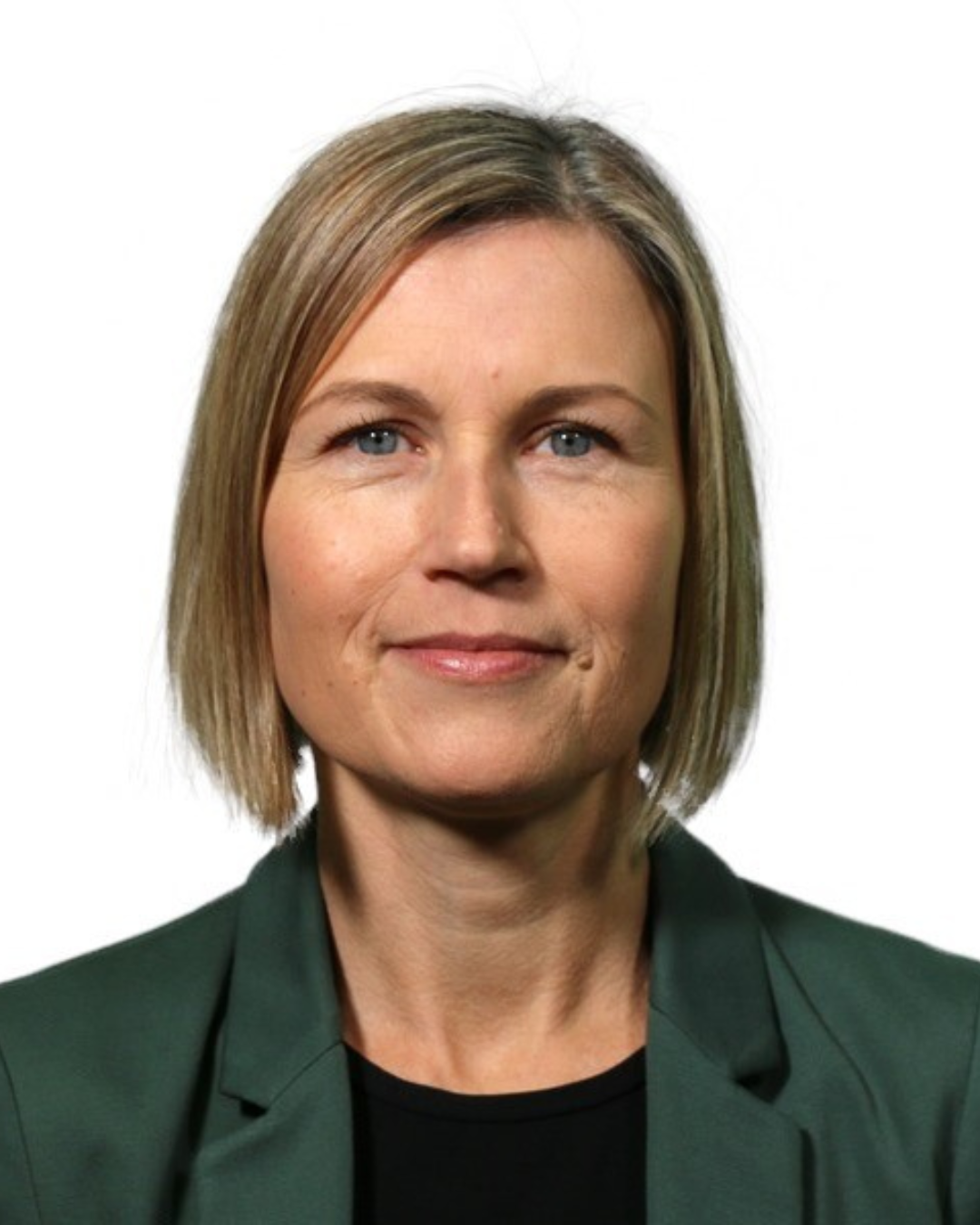
Lea Škorić
University of Zagreb, School of Medicine, Central Medical Library » Zagreb, Croatia