SHORT TALK PRESENTATION
Opportunities for editorial community to leverage scholarly metadata for increased integrity and discoverability
Madhura Amdekar [Crossref, Eindhoven, The Netherlands]
Editors and editorial offices are key stakeholders in the journey of a manuscript, from submission through to publication. Not only do members of the editorial community drive the peer review process of manuscripts and manage the routine operations of journals and publications, they are also responsible for safeguarding the integrity of the work that they publish. There is a huge diversity in editorial roles and functions within the editorial community, with different editorial roles interacting with different stages of the lifecycle of the content that is published. At each of these stages, there is an opportunity for the editorial community to interact with scholarly metadata. Rich and structured scholarly metadata has the potential to be leveraged for assessing the integrity of research outputs and increasing the discoverability of content. The editorial community can play a central role in promoting the collection and propagation of rich metadata that can be used by the scholarly community.
Earlier this year, Crossref conducted community research with the editorial community to understand where in their workflows do editors interact with metadata. In this presentation, we will share our findings by highlighting some of the metadata elements that we found that editors interact with at different stages of editorial workflows. We’d also like to draw attention to the applications of these metadata elements in preserving the integrity of the scholarly record and increasing the discoverability of published outputs. Abstracts, ORCID IDs, affiliations, and references are some of the metadata elements that editors routinely interact with at different stages of editorial workflows and these have multiple applications when it comes to assessing the integrity of the scholarly record as well as for maximizing discoverability. Retractions, corrections, and other post-publication updates are metadata that some editors may encounter mostly when articles need to be updated after publication. When these updates are linked correctly, they can act as important signals of trust to alert readers that content has been updated. On the other hand, structured metadata related to funding information, and ROR IDs (open persistent identifiers for research and funding organizations) are less familiar to most editors that we spoke to and we’d like to call attention to their important applications in research integrity and reporting.
The editorial community is ideally positioned to work with publishers and submission systems to implement policies that promote collection of rich metadata. They have a unique position to encourage prospective authors to submit key metadata along with their manuscripts. By shining a light on the rich information that can be provided by scholarly metadata, we hope to encourage editors to implement opportunities to collect rich metadata via their workflows and to hear from them what metadata they are leveraging as part of their workflows.
Crossref; discoverability; editorial community; integrity; metadata
Dr. Madhura Amdekar is a Community Engagement Manager at Crossref where her focus is on engaging with editors, publishers, and editorial organisations to help them leverage rich metadata for asserting the integrity of the scholarly record. Originally trained as a behavioural ecologist, she has been working in the scholarly publishing industry for the past 6 years. Madhura is a Board Member of the International Society of Managing and Technical Editors (ISMTE) and is based in the Netherlands.
Thursday, 10 September, 11:00-12:35
SESSION 3 Supporting Integrity in Scholarly Publishing
[keynote speaker] → Sonja Bjelobaba
[short talks]
- When Citation Becomes Weaponized: Propaganda Triggers and the Crisis of Integrity in Scholarly Publishing (Ganna Kharlamova, Andriy Stavytskyy, Mariia Naumova and Carl Taswell)
- Opportunities for the editorial community to leverage scholarly metadata for increased integrity and discoverability (Madhura Amdekar)
[discussion]
[sponsor presentation] → Elsevier
[poster session]
- Thinking in Ecosystems for OA Book Publishing: Multilinguality, AI Assistance, and Collaboration (Szilvia Maróthy)
- Sense of Community, Power, and Scholarly Outputs: Insights from the Researcher Mental Health Observatory STAIRCASE Survey (Ana Slavec)
- When Openness Isn’t Enough: Case Study on Autism Framing in Croatian Scientific Discourse (Roberta Bajčić, Ljerka Ostojić and Miguel Núñez de Prado Gordillo)
- AI in Scientific Publishing: Support or Subversion? (Radovan Vrana)
- International Collaboration and Language Preservation: Case Study of an Agricultural Journal (Zvonimir Prpić)
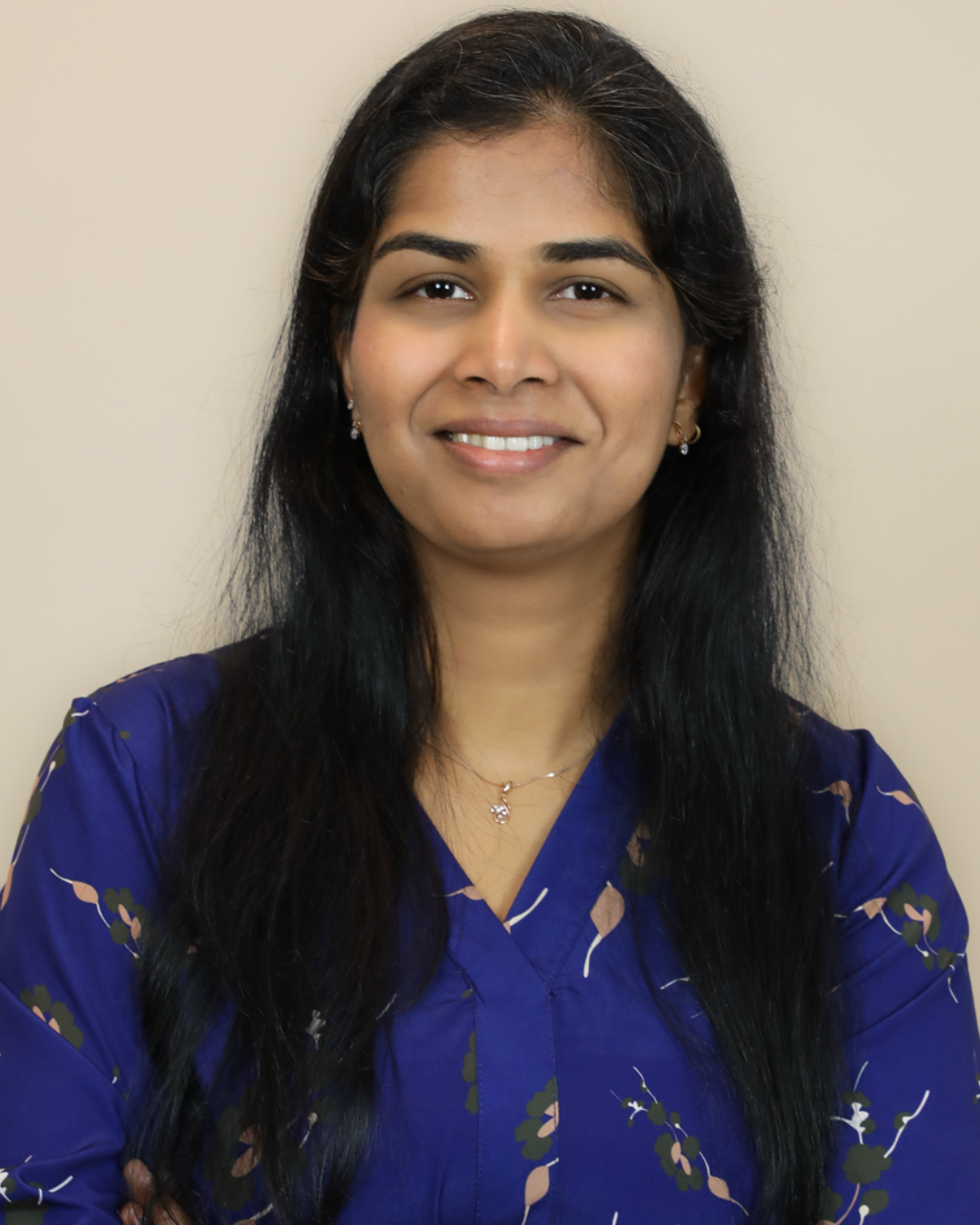
Madhura Amdekar
Crossref » Eindhoven, The Netherlands